Results by title
3 books match the query 'Burroughs, CM'
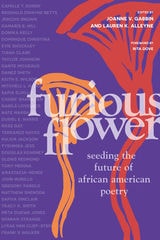
Furious Flower
Seeding the Future of African American PoetryEdited by Joanne V. Gabbin and Lauren K. Alleyne; Foreword by Rita Dove
Northwestern University Press, 2020
Furious Flower: Seeding the Future of African American Poetry is an anthology of poems by more than one hundred award-winning poets, including Jericho Brown, Justin Philip Reed, and Tracy K. Smith, with themed essays on poetics from celebrated scholars such as Kwame Dawes, Meta DuEwa Jones, and Evie Shockley. The Furious Flower Poetry Center is the nation’s first academic center for Black poetry. In this eponymous collection, editors Joanne V. Gabbin and Lauren K. Alleyne bring together many of the paramount voices in Black poetry and poetics active today, composing an electrifying mosaic of voices, generations, and aesthetics that reveals the Black narrative in the work of twentieth- and twenty-first-century writers. Intellectually enlightening and powerfully enlivening, Furious Flower explores and celebrates the idea of the Black poetic voice by posing the question, What’s next for Black poetic expression?
[more]

Master Suffering
CM Burroughs
Tupelo Press, 2021
This book is full of the questions and uncomfortable uncertainties that grief and the body bring; it is also full of speakers who are determined, and then unsure. The female bodies of Master Suffering want power to survive; they want to control and to correct the suffering they witness and withstand. But wanting can lead to suffering, too, and make speakers like Burroughs ask: “Why / should I have wanted so much / as to threaten my being?”
[more]

The VITAL SYSTEM
PoemsCM Burroughs
Tupelo Press, 2012
The Vital System is the first published book by a poet already setting off sparks among readers across the globe. In these poems, the body is always at stake — vulnerable — and the poet dares to try and illuminate what she has called “the protective capability of violence.” Burroughs’s compression of phrasing, subverted syntax, and ability to release a story through cinematically sequenced images allow her to expose particular tensions that are gendered and racial as well as essentially human.
[more]