Results by title
4 books match the query 'Cannabis'

Cannabis Consulting
Helping Patients, Parents, and Practitioners Understand Medical MarijuanaEzra Parzybok
University Press of New England, 2018
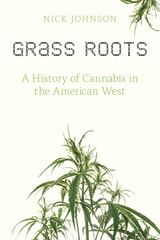
Grass Roots
A History of Cannabis in the American WestNick Johnson
Oregon State University Press, 2017
To understand how we got here and how the legal cannabis industry might become more environmentally sustainable, Grass Roots looks at the history of marijuana growing in the American West, from early Mexican American growers on sugar beet farms to today’s sophisticated greenhouse gardens. Over the past eighty years, federal marijuana prohibition has had a multitude of consequences, but one of the most important is also one of the most overlooked—environmental degradation. Grass Roots argues that the most environmentally negligent farming practices—such as indoor growing—were borne out of prohibition. Now those same practices are continuing under legalization.
Grass Roots uses the history of cannabis as a crop to make sense of its regulation in the present, highlighting current efforts to make the marijuana industry more sustainable. In exploring the agricultural history of cannabis, There are many social and political histories of cannabis, but in considering cannabis as a plant rather than as a drug, Grass Roots offers the only agriculturally focused history to date.

Minnesota Green
The Highs and Lows of Cannabis in the North CountryTanner Berris
University of Minnesota Press, 2027
The socially fraught and surprisingly colorful history of cannabis in Minnesota
In a sweeping narrative, Minnesota Green presents the previously untold story of cannabis and its long and complex history of criminalization, activism, and legislative contention. Seamlessly blending historical research, political analysis, and lived experience, activist and industry insider Tanner Berris traces the highs and lows of the plant’s presence in a state often held up as a beacon of progressive policymaking. Trekking across this fraught history, Berris documents how nineteenth-century hemp cultivation coincided with the federal dispossession of Indigenous lands, how, by the 1930s, moral panic turned cannabis from a common crop into a criminal threat, and how the “Hemp for Victory” campaign during World War II temporarily lifted a federal ban before the postwar decades gave way to renewed policing and punishment.
Paying close attention to school-based antidrug curricula, racialized rhetoric, patient testimonies, eradication campaigns, and widespread propaganda, Berris uncovers the prohibitionist roots of the “marijuana menace” and how reformers worked to reclaim the plant’s maligned reputation throughout the twentieth century. The fight for medical cannabis during the AIDS crisis, the revival of industrial hemp, and Minnesota’s embrace of low-dose hemp-derived products—all are pivotal points in the state’s reshaping of both public opinion and regulatory imagination.
At its core, this story is about Minnesotans: farmers experimenting with commercial hemp, activists staging legalization protests, policymakers wrestling with public caution, entrepreneurs and tribal leaders navigating a complex regulatory landscape, and local communities confronting the unjust racial and social consequences of punitive—and often violently policed—prohibition. At once a regional history and civic memoir, Minnesota Green vividly documents how a once-criminalized plant reemerged as a symbol of renewal and self-determination in Minnesota.
Retail e-book files for this title are screen-reader friendly with images accompanied by short alt text and/or extended descriptions.

The African Roots of Marijuana
Chris S. Duvall
Duke University Press, 2019