Results by title
8 books match the query 'Cardiology'
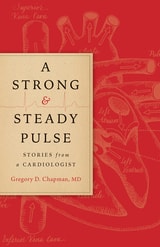
A Strong and Steady Pulse
Stories from a CardiologistGregory D. Chapman, MD
University of Alabama Press, 2021
A seasoned cardiologist shares his experiences, opinions, and recommendations about heart disease and other cardiac problems.
A Strong and Steady Pulse: Stories from a Cardiologist provides an insider’s perspective on the field of cardiovascular medicine told through vignettes and insights drawn from Gregory D. Chapman’s three decades as a cardiologist and professor of medicine. In twenty-six bite-sized chapters based on real-life patients and experiences, Chapman provides an overview of contemporary cardiovascular diseases and treatments, illuminating the art and science of medical practice for lay audiences and professionals alike.
With A Strong and Steady Pulse, Chapman provides medical students and general readers with a better understanding of cardiac disease and its contributing factors in modern life, and he also provides insights on the diagnostic process, medical decision making, and patient care. Each chapter presents a patient and their initial appearance, described in clear detail as Chapman gently walks us through his evaluation and the steps he and his associates take to determine the underlying problem. Chapman’s stories are about real people dealing with life and death situations—including the physicians, nurses, medical students, and other team members who try to save lives in emergent, confusing conditions.
The sometimes hard-won solutions to these medical challenges combine new technology and cutting-edge research together with insights drawn from Chapman’s past experiences as an intern and resident in Manhattan during the AIDS epidemic, as a postdoctoral fellow at Duke University in the 1990s, and in practice in Nashville, Tennessee, and Birmingham, Alabama. Conditions addressed include the recognition and management of heart attack, heart failure, arrhythmia, valvular heart disease, cardiac transplantation, broken heart syndrome, hypertension, and the depression some people experience after a heart attack, as well as related topics like statin drugs, the Apple Watch ECG feature, and oral anticoagulants. Finally, the emergence of the COVID-19 virus and its disruption of normal hospital routines as the pandemic unfolded is addressed in an epilogue.
Arterial and Venous Access in the Cardiac Catheterization Lab
Arterial and Venous Access in the Cardiac Catheterization LabAbu-Fadel, Mazen
Rutgers University Press, 2016
Percutaneous cardiac and endovascular procedures are performed by a variety of interventional physicians and continue to evolve and expand. One of the most important steps in performing these procedures is vascular access and their Achilles heel is vascular access site complications. This volume is intended to help the clinician by providing a practical overview of the techniques and technologies used in top catheterization laboratories to access the arterial and venous beds.
Dr. Mazen Abu-Fadel and his contributors, part of the renowned cardiovascular team at the University of Oklahoma Health Sciences Center, carefully walk the reader through the various techniques used to obtain vascular access into most arterial and venous sites. They thoroughly describe current data, techniques, advantages, risks, and benefits of each vascular access site. Covering everything from anatomic landmarks to closures devices, Arterial and Venous Access in the Cardiac Catheterization Lab offers a complete overview of each procedure. In addition, it provides an up-to-date guide to the best medical technologies and equipment used when performing these procedures.
Arterial and Venous Access in the Cardiac Catheterization Lab is an invaluable resource for a wide range of clinical personnel, from attending physicians and trainees to nursing staff and vascular technicians. Written by experienced leaders in the field, it demonstrates how to perform complex, risky procedures while providing patients with expert care.
Cardiology
The Evolution of the Science and the ArtBing, Richard J.
Rutgers University Press, 1999
Essential Facts in Cardiovascular Medicine
Board Review and Clinical PearlsYeghiazarians, Yerem
Rutgers University Press, 2018
Essential Facts in Cardiovascular Medicine covers numerous important topics from the basics of Statistics, to factoids in General Cardiology, Physical Exam, EKG, Congenital Heart Disease, Valvular Heart Disease, Heart Failure/Transplant, Acute Coronary Syndromes, Pericardial Diseases, Electrophysiology, Pharmacology, Pregnancy, Pulmonary Hypertension, Peripheral Vascular Disease, Echocardiography, Formulas, Interventional Cardiology and Cardiac Tumors.
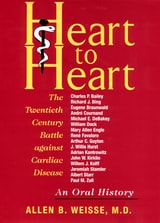
Heart to Heart
The Twentieth Century Battle against Cardiac Disease--An Oral HistoryWeisse, Allen B
Rutgers University Press, 2002
In Heart to Heart, Dr. Allen B. Weisse presents the first collection of in-depth conversations with some of the world's most renowned cardiologists and surgeons. Weisse's interviews bring a special vitality to the doctors' recollections of the people and events that influenced them, their motivations, their problems, their interactions with their contemporaries, and their hopes and beliefs for the future. Since not every doctor who has made important contributions to the treatment and prevention of heart disease could be interviewed for this volume, Weisse includes a biographical section listing other prominent cardiologists and surgeons as well as a list of recommended reading. This comprehensive history will be a resource for any student of cardiology or general medicine.
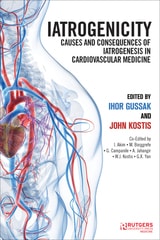
Iatrogenicity
Causes and Consequences of Iatrogenesis in Cardiovascular MedicineGussak, Ihor B
Rutgers University Press, 2017
Edited by two renowned cardiology experts, Iatrogenicity: Causes and Consequences of Iatrogenesis in Cardiovascular Medicine addresses both the iatrogenicity that arises with cardiovascular interventions, as well as non-cardiovascular interventions that result in adverse consequences on the cardiovascular system. The book aims to achieve three things: to summarize the available information on this topic in a single high-yield volume; to highlight the human and financial cost of iatrogenesis; and to describe and propose potential interventions to ameliorate the effects of iatrogenesis. This accessible book is a practical reference for any practicing physician who sees patients with cardiovascular issues. .
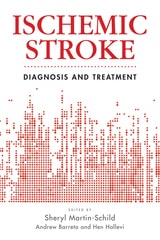
Ischemic Stroke
Diagnosis and TreatmentMartin-Schild, Sheryl
Rutgers University Press, 2018
Key topics explored cover all elements of stroke care, including examinations of: emergent evaluation of the suspected stroke patient, clinical signs and symptoms of stroke, mechanisms of ischemic stroke, neuroimaging, cardiac-based evaluation, thrombolytic therapy, endovascular therapy, critical care management, rehabilitation, cardiac arrhythmias, and structural heart disease.
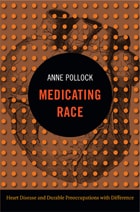
Medicating Race
Heart Disease and Durable Preoccupations with DifferenceAnne Pollock
Duke University Press, 2012