Results by title
3 books match the query 'Corporate sponsorship'

Artwash
Big Oil and the ArtsMel Evans
Pluto Press, 2015
Reflecting on the role and function of art galleries, Artwash considers how the association with oil money might impede these institutions in their cultural endeavors. Outside the gallery space, Mel Evans examines how corporate sponsorship of the arts can obscure the strategies of corporate executives to maintain brand identity and promote their public image through cultural philanthropy. Ultimately, Evans sounds a note of hope, presenting ways artists themselves have challenged the ethics of contemporary art galleries and examining how cultural institutions might change.

Culture Incorporated
Museums, Artists, And Corporate SponsorshipsMark W. Rectanus
University of Minnesota Press, 2002
An exposé of the hidden costs of corporate funding of the arts
Photographer Annie Leibowitz collaborates with American Express on a portrait exhibition. Absolut Vodka engages artists for their advertisements. Philip Morris mounts an "Arts Against Hunger" campaign in partnership with prominent museums. Is it art or PR, and where is the line that separates the artistic from the corporate? According to Mark Rectanus, that line has blurred. These mergers of art, business, and museums, he argues, are examples of the worldwide privatization of cultural funding.
In Culture Incorporated, Rectanus calls for full disclosure of corporate involvement in cultural events and examines how corporations, art institutions, and foundations are reshaping the cultural terrain. In turn, he also shows how that ground is destabilized by artists subverting these same institutions to create a heightened awareness of critical alternatives. Rectanus exposes how sponsorship helps maintain social legitimation in a time when corporations are the target of significant criticism. He provides wide-ranging examples of artists and institutions grappling with corporate sponsorship, including artists’s collaboration with sponsors, corporate sponsorship of museum exhibitions, festivals, and rock concerts, and cybersponsoring. Throughout, Rectanus analyzes the convergence of cultural institutions with global corporate politics and its influence on our culture and our communities.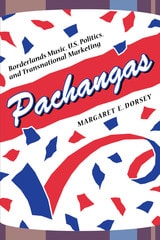
Pachangas
Borderlands Music, U.S. Politics, and Transnational MarketingBy Margaret E. Dorsey
University of Texas Press, 2006
A uniquely Tejano version of the old-fashioned political barbeque, the traditional South Texas pachanga allowed politicians to connect with voters in a relaxed setting where all could enjoy live music and abundant food and drink along with political speeches and dealmaking. Today's pachanga still combines politics, music, and votes—along with a powerful new element. Corporate sponsorships have transformed the pachanga into a major marketing event, replete with celebrity performers and product giveaways, which can be recorded and broadcast on TV or radio to vastly increase the reach of the political—and the commercial—messages.
This book explores the growing convergence of politics, transnational marketing, and borderlands music in the South Texas pachanga. Anthropologist Margaret Dorsey has observed some one hundred pachangas and interviewed promoters, politicians, artists, and local people. She investigates how candidates and corporations market their products to Hispanic consumers, as well as how the use of traditional music for marketing is altering traditional forms such as the corrido. Her multifaceted study also shows clearly that the lines of influence run both ways—while corporate culture is transforming the traditions of the border, Tejano voters/consumers only respond to marketing appeals (whether for politicians or products) that resonate with their values and the realities of their lives. Far from being an example of how transnational marketing homogenizes culture, the pachanga demonstrates that local cultures can exert an equally strong influence on multinational corporations.