Results by title
3 books match the query 'Descendants'
Changing Masters
Spirit Possession and Identity Construction among the Descendants of Slaves in the SudanG.P. Makris
Northwestern University Press, 2000
Makris engages the tumbura devotees of the area of Greater Khartoum in an animated discussion of their understanding of themselves and their world. Using oral histories, songs associated with the various spirits, and accounts of ceremonies he witnessed, he shows tumbura to be a response to victimization first in slavery and later by subordination. It functions as a counterdiscourse challenging the dominant discourse of the ex-slaveholding classes and enables its practitioners to assert a separate, alternative identity. This assertion, embodied in the idiom of possession, is achieved through a continuous reworking of meaning as it is imparted by religion, descent, and historical consciousness.
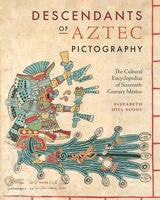
Descendants of Aztec Pictography
The Cultural Encyclopedias of Sixteenth-Century MexicoBy Elizabeth Hill Boone
University of Texas Press, 2021
In the aftermath of the sixteenth-century Spanish conquest of Mexico, Spanish friars and authorities partnered with indigenous rulers and savants to gather detailed information on Aztec history, religious beliefs, and culture. The pictorial books they created served the Spanish as aids to evangelization and governance, but their content came from the native intellectuals, painters, and writers who helped to create them. Examining the nine major surviving texts, preeminent Latin American art historian Elizabeth Hill Boone explores how indigenous artists and writers documented their ancestral culture.
Analyzing the texts as one distinct corpus, Boone shows how they combined European and indigenous traditions of documentation and considers questions of motive, authorship, and audience. For Spanish authorities, she shows, the books revealed Aztec ideology and practice, while for the indigenous community, they preserved venerated ways of pictorial expression as well as rhetorical and linguistic features of ancient discourses. The first comparative analysis of these encyclopedias, Descendants of Aztec Pictography analyzes how the painted compilations embraced artistic traditions from both sides of the Atlantic.

We Mark Your Memory
writings from the descendants of indentureEdited by David Dabydeen, Maria del Pilar Kaladeen, and Tina K. Ramnarine
University of London Press, 2018