Results by title
4 books match the query 'Drug utilization'
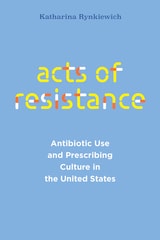
Acts of Resistance
Antibiotic Use and Prescribing Culture in the United StatesKatharina Rynkiewich
Vanderbilt University Press, 2026
In Acts of Resistance, Katharina Rynkiewich explores the fight to save the utility of antibiotic medicines amid global antimicrobial resistance. This engaging ethnography follows bacteria, patients, and practitioners as they weave in and out of North American medical institutions. Through an examination of the social dynamics and ethical challenges of everyday antibiotic use, the author expands on the limitations of good intentions in current antibiotic stewardship policy. Her ethnographic account shows the lived experience of multiple central figures as she shifts setting and tone, ultimately deepening our understanding of the global antimicrobial resistance crisis as emergency.
Due to the global scale of impact related to antimicrobial resistance, holding industries and institutions accountable is difficult but essential. With new and reemerging multidrug-resistant organisms making their homes within institutions and in the community, tracing the origins of an infection can be an insurmountable challenge. Rynkiewich demonstrates how “microbial highways” coexist along human highways, providing an apt example of how multidrug-resistant organisms spread across hospitals, communities, and entire regions.
Drugs for Life
How Pharmaceutical Companies Define Our HealthJoseph Dumit
Duke University Press, 2012
Impotent
A NovelMatthew Roberson
University of Alabama Press, 2009
The Cult of Pharmacology
How America Became the World's Most Troubled Drug CultureRichard DeGrandpre
Duke University Press, 2006
Exploring how this rather benign relationship with psychoactive drugs was transformed into one of confusion and chaos, The Cult of Pharmacology tells the dramatic story of how, as one legal drug after another fell from grace, new pharmaceutical substances took their place. Whether Valium or OxyContin at the pharmacy, cocaine or meth purchased on the street, or alcohol and tobacco from the corner store, drugs and drug use proliferated in twentieth-century America despite an escalating war on “drugs.”
Richard DeGrandpre, a past fellow of the National Institute on Drug Abuse and author of the best-selling book Ritalin Nation, delivers a remarkably original interpretation of drugs by examining the seductive but ill-fated belief that they are chemically predestined to be either good or evil. He argues that the determination to treat the medically sanctioned use of drugs such as Miltown or Seconal separately from the illicit use of substances like heroin or ecstasy has blinded America to how drugs are transformed by the manner in which a culture deals with them.
Bringing forth a wealth of scientific research showing the powerful influence of social and psychological factors on how the brain is affected by drugs, DeGrandpre demonstrates that psychoactive substances are not angels or demons irrespective of why, how, or by whom they are used. The Cult of Pharmacology is a bold and necessary new account of America’s complex relationship with drugs.