Results by title
4 books match the query 'Encountering'

Encountering the Past in Nature
Essays in Environmental HistoryTimo Myllyntaus
Ohio University Press, 2000
The essays in Encountering the Past in Nature provide various approaches to the new discipline. Experts with diverse educational backgrounds tackle important issues in environmental history, ranging from the intellectual formation of environmental concepts to case studies of forest history and animal extinction. Most essays in the collection focus on the issue of wilderness and the various uses of forest resources. Encountering the Past in Nature also offers introductory essays on the historiography and methodology of this field of historical study.
Encountering the Past in Nature is a useful addition to the introductory texts currently available in the United States.
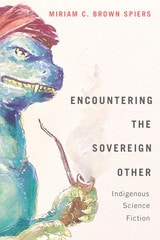
Encountering the Sovereign Other
Indigenous Science FictionMiriam C. Brown Spiers
Michigan State University Press, 2021
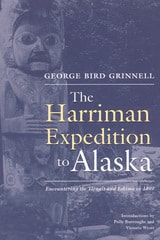
Harriman Expedition to Alaska
Encountering the Tlingit and Eskimo in 1899George Grinnell
University of Alaska Press, 2007
A keen observer of his surroundings, Grinnell provides a unique perspective on northern life in the late nineteenth century. He documented hunting techniques and material culture of the Eskimo of Siberia, as well as the totem poles and architecture of the Tlingit of Southeast. As a pioneer conservationist, Grinnell was one of the first to express concern over the effects of trade and industry on Alaska's peoples and natural resources.
Illustrated with photos and drawings by Harriman Expedition members, including Edward S. Curtis, this volume makes the work of a passionate observer available to a new generation of readers.
This Precious Life
Encountering the Divine with Poetry and PrayerAlden Solovy
Central Conference of American Rabbis, 2021
In This Precious Life, liturgist Alden Solovy presents prayers, poetry, and meditations inspired by encounters with God. The first part draws from divine moments in our sacred texts, mostly the Torah but also the Prophets and the Writings. Using a contemporary voice, Solovy imagines these holy moments as experienced by our biblical ancestors so we can reclaim them as our own. The second part focuses on sacred moments in our daily lives, connections with the Divine that occur simply because we are human beings created in God's image. Equally suited to individual reflection and group prayer, the book completes a trilogy with This Grateful Heart and This Joyous Soul.