Results by title
3 books match the query 'Fitness'
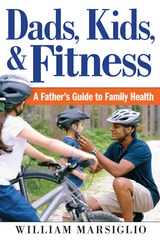
Dads, Kids, and Fitness
A Father's Guide to Family HealthMarsiglio, William
Rutgers University Press, 2016
Now more than ever, American dads act as hands-on caregivers who are devoted to keeping themselves and their families healthy. Yet, men are also disproportionately likely to neglect their own health care, diets, and exercise routines—bad habits that they risk passing on to their children.
In Dads, Kids, and Fitness, William Marsiglio challenges dads to become more health-conscious in how they live and raise their children. His conclusions are drawn not only from his revealing interviews with a diverse sample of dads and pediatric healthcare professionals, but also from his own unique personal experiences—as a teenage father who, thirty-one years later, became a later-life dad to a second son. Marsiglio’s research highlights the value of treating dads as central players in what he calls the social health matrix, which can serve both healthy children and those with special needs. He also outlines how schools, healthcare facilities, religious groups, and other organizations can help dads make a positive imprint on their families’ health, fitness, and well-being.
Anchored in compelling life stories of joy, tragedy, and resilience, Dads, Kids, and Fitness extends and deepens public conversation about health at a pivotal historical moment. Its progressive message breathes new life into discussions about fathering, manhood, and health.
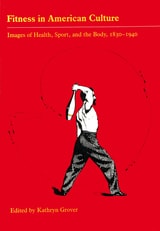
Fitness in American Culture
Images of Health, Sport, and the Body, 1830-1940Kathryn Grover
University of Massachusetts Press, 1989
Run Simple
A Minimalist Approach to Fitness and Well-BeingDuncan Larkin
Westholme Publishing, 2012
In this age of instant information and new technologies, marathoner and fitness instructor Duncan Larkin recommends that runners get rid of their iPods, pace calculators, and heart monitors while exercising. Rather than helping a runner to improve, the author contends that these devices can be a detriment to both performance and the benefits of a training program. Written in direct, clear language, Run Simple: A Minimalist Approach to Fitness and Well-Being is a practical and inspirational pocket guide for runners of all abilities. The author’s goal is to share with his fellow runners the principles he has discovered that prevent burn out and promote the maximum physical and mental benefits of running. Beginning with a discussion about the role of electronic devices and other equipment that have become commonplace among the millions of persons who run every day, the author explains how to return to a simpler way of exercising and training, including running plans that demonstrate the benefits of watch-free running. He also recommends replacing a gym membership with alternative exercises that can be done at home as well as taking better control of individual nutrition. In addition, the author shows ways to economize expenses associated with running, how to dress properly for different weather conditions, and mental exercises for motivation. By following the author’s advice, runners will improve their running experience and maintain a healthy exercise regimen.