Results by title
3 books match the query 'Foreign workers, Chinese'
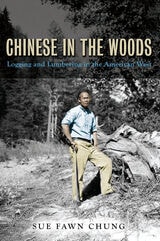
Chinese in the Woods
Logging and Lumbering in the American WestSue Fawn Chung
University of Illinois Press, 2015
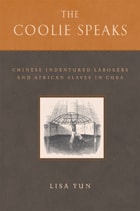
The Coolie Speaks
Chinese Indentured Laborers and African Slaves in CubaLisa Yun
Temple University Press, 2009
Introducing radical counter-visions of race and slavery, and probing the legal and philosophical questions raised by indenture, The Coolie Speaks offers the first critical reading of a massive testimony case from Cuba in 1874. From this case, Yun traces the emergence of a "coolie narrative" that forms a counterpart to the "slave narrative." The written and oral testimonies of nearly 3,000 Chinese laborers in Cuba, who toiled alongside African slaves, offer a rare glimpse into the nature of bondage and the tortuous transition to freedom. Trapped in one of the last standing systems of slavery in the Americas, the Chinese described their hopes and struggles, and their unrelenting quest for freedom.
Yun argues that the testimonies from this case suggest radical critiques of the "contract" institution, the basis for free modern society. The example of Cuba, she suggests, constitutes the early experiment and forerunner of new contract slavery, in which the contract itself, taken to its extreme, was wielded as a most potent form of enslavement and complicity. Yun further considers the communal biography of a next-generation Afro-Chinese Cuban author and raises timely theoretical questions regarding race, diaspora, transnationalism, and globalization.
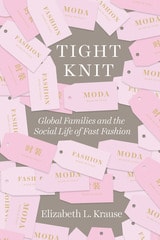
Tight Knit
Global Families and the Social Life of Fast FashionElizabeth L. Krause
University of Chicago Press, 2018
Krause offers a revelatory look into how families involved in the fashion industry are coping with globalization based on longterm research in Prato, the historic hub of textile production in the heart of metropolitan Tuscany. She brings to the fore the tensions—over value, money, beauty, family, care, and belonging—that are reaching a boiling point as the country struggles to deal with the same migration pressures that are triggering backlash all over Europe and North America. Tight Knit tells a fascinating story about the heterogeneity of contemporary capitalism that will interest social scientists, immigration experts, and anyone curious about how globalization is changing the most basic of human conditions—making a living and making a life.