Results by title
3 books match the query 'Formisano, Ron'
American Oligarchy
The Permanent Political ClassRon Formisano
University of Illinois Press, 2017
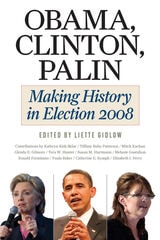
Obama, Clinton, Palin
Making History in Elections 2008Edited by Liette Gidlow
University of Illinois Press, 2011
Election 2008 made American history, but it was also the product of American history. Barack Obama, Hillary Clinton, and Sarah Palin smashed through some of the most enduring barriers to high political office, but their exceptional candidacies did not come out of nowhere. In these timely and accessible essays, a distinguished group of historians explores how the candidates both challenged and reinforced historic stereotypes of race and sex while echoing familiar themes in American politics and exploiting new digital technologies.
Contributors include Kathryn Kish Sklar on Clinton’s gender masquerade; Tiffany Ruby Patterson on the politics of black anger; Mitch Kachun on Michelle Obama and stereotypes about black women’s bodies; Glenda E. Gilmore on black women’s century of effort to expand political opportunities for African Americans; Tera W. Hunter on the lost legacy of Shirley Chisholm; Susan M. Hartmann on why the U.S. has not yet followed western democracies in electing a female head of state; Melanie Gustafson on Palin and the political traditions of the American West; Ronald Formisano on the populist resurgence in 2008; Paula Baker on how digital technologies threaten the secret ballot; Catherine E. Rymph on Palin’s distinctive brand of political feminism; and Elisabeth I. Perry on the new look of American leadership.
The Great Lobster War
Ron Formisano
University of Massachusetts Press, 1997
This groundbreaking historical account documents the little-known but significant conflict that erupted among Maine lobstermen in the 1950s—a pivotal clash that pitted independent small-scale fishermen against powerful dealers and federal government regulators. Written by distinguished historian Ronald P. Formisano, this work reconstructs a dramatic struggle over prices and economic power within Maine's vital lobster fishery.
Capturing the reality of the Lobster War strike and its subsequent legal proceedings, Formisano's narrative explores how independent owner-operators of the Maine lobster fishery, facing economic pressures from middlemen dealers and federal intervention, banded together in a coordinated effort to secure fair prices and maintain control over their livelihoods.
Through meticulous historical research, Formisano illuminates the economic realities of commercial fishing, the dynamics between laborers and processors, and the role of government regulation in shaping resource management policies.The Great Lobster War serves as both a detailed historical study and an accessible story of working-class agency and collective action in the postwar era.