Results by title
2 books match the query 'Gamboni, Dario'
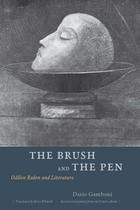
The Brush and the Pen
Odilon Redon and LiteratureDario Gamboni
University of Chicago Press, 2011
French symbolist artist Odilon Redon (1840–1916) seemed to thrive at the intersection of literature and art. Known as “the painter-writer,” he drew on the works of Poe, Baudelaire, Flaubert, and Mallarmé for his subject matter. And yet he concluded that visual art has nothing to do with literature. Examining this apparent contradiction, The Brush and the Pen transforms the way we understand Redon’s career and brings to life the interaction between writers and artists in fin-de-siècle Paris.
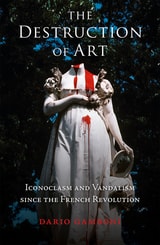
The Destruction of Art
Iconoclasm and Vandalism since the French RevolutionDario Gamboni
Reaktion Books, 2007
Last winter, a man tried to break Marcel Duchamp’s Fountain sculpture. The sculpted foot of Michelangelo’s David was damaged in 1991 by a purportedly mentally ill artist. With each incident, intellectuals must confront the unsettling dynamic between destruction and art. Renowned art historian Dario Gamboni is the first to tackle this weighty issue in depth, exploring specters of censorship, iconoclasm, and vandalism that surround such acts.
Gamboni uncovers here a disquieting phenomenon that still thrives today worldwide. As he demonstrates through analyses of incidents occurring in nineteenth- and twentieth-century America and Europe, a complex relationship exists among the evolution of modern art, destruction of artworks, and the long history of iconoclasm. From the controversial removal of Richard Serra’s Tilted Arc from New York City’s Federal Plaza to suffragette protests at London’s National Gallery, Gamboni probes the concept of artist’s rights, the power of political protest and how iconoclasm sheds light on society’s relationship to art and material culture.
Compelling and thought-provoking, The Destruction of Art forces us to rethink the ways that we interact with art and react to its power to shock or subdue.