Results by title
4 books match the query 'Gardner, Katy'
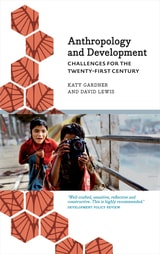
Anthropology and Development
Challenges for the Twenty-First CenturyKaty Gardner and David Lewis
Pluto Press, 2015

Discordant Development
Global Capitalism and the Struggle for Connection in BangladeshKaty Gardner
Pluto Press, 2012
What happens when a vast multinational mining company operates a gas plant situated close to four densely populated villages in rural Bangladesh? How does its presence contribute to local processes of ‘development’? And what do corporate claims of ‘community engagement’ involve? Drawing from author Katy Gardner’s longstanding relationship with the area, Discordant Development reveals the complex and contradictory ways that local people attempt to connect to, and are disconnected by, foreign capital.
Everyone has a story to tell: whether of dispossession and scarcity, the success of Corporate Social Responsibility, or imperialist exploitation and corruption. Yet as Gardner argues, what really matters in the struggles over resources is which of these stories are heard, and the power of those who tell them.
Based around the discordant narratives of dispossessed land owners, urban activists, mining officials and the rural landless, Discordant Development touches on some of the most urgent economic and political questions of our time, including resource ownership and scarcity, and the impact of foreign investment and industrialisation on global development.
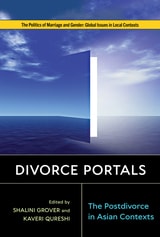
Divorce Portals
The Postdivorce in Asian ContextsShalini Grover
Rutgers University Press, 2027
Across Asia and its global diasporas, marriage remains a dominant and public institution, and divorce generates widespread comment and concern. Breaking new ground, Divorce Portals reveals divorce to be generative of transformations in individual intimate lives and wider societies. Through compelling, sensitive ethnographic accounts inviting readers into the lives of people undergoing separation and divorce, chapters capture the antecedent-lives of uncoupling – the imaginary, anticipatory, and cautionary – and the afterlives of divorce, in the immediate aftermath and across life courses and generations. Chapters explore the vivid and bold new selves that divorcees are fashioning for themselves and highlight the intersecting inequalities that shape postdivorce predicaments, sometimes belying the hoped-for freedoms of divorce and remarriage. Together, chapters chart nascent and haltering accommodations of the single, repartnered, and queer. Across cases drawn from diverse geographic contexts, this book unlocks new, expansive, and accessible ways to think about divorce and its aftermath.
Songs At the River's Edge
Stories From a Bangladeshi VillageKaty Gardner
Pluto Press, 1997