Results by title
2 books match the query 'Goldstein, Diane'

Haunting Experiences
Ghosts in Contemporary FolkloreDiane E. Goldstein, Sylvia Ann Grider, and Jeannie Banks Thomas
Utah State University Press, 2007
In Haunting Experiences, three well-known folklorists broaden the discussion of ghost lore by examining it from a variety of angles in various modern contexts. Diane E. Goldstein, Sylvia Ann Grider, and Jeannie Banks Thomas take ghosts seriously, as they draw on contemporary scholarship that emphasizes both the basis of belief in experience (rather than fantasy) and the usefulness of ghost stories. They look closely at the narrative role of such lore in matters such as socialization and gender, and unravel the complex mix of mass media, commodification, and popular culture that today puts old spirits into new contexts.
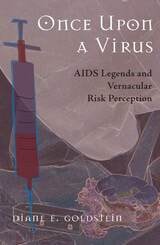
Once Upon A Virus
Diane E. Goldstein
Utah State University Press, 2004
Once Upon a Virus explores how contemporary, or "urban," legends are indicators of culturally complex attitudes toward health and illness.
Tracing the rich tradition of AIDS legends in relation to current scholarship on belief, Diane Goldstein shows how such stories not only articulate widespread perceptions of risk, health care, and health policy, they also influence official and scientific approaches to the disease and its management. Notions that appear in narratives of who gets AIDS, how and why, are indicators of broad issues involving health beliefs, concerns, and needs.