Results by title
4 books match the query 'Hanna, Judith Lynne'
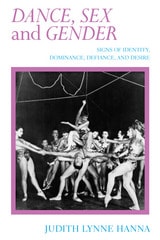
Dance, Sex, and Gender
Signs of Identity, Dominance, Defiance, and DesireJudith Lynne Hanna
University of Chicago Press, 1988

Naked Truth
Strip Clubs, Democracy, and a Christian RightBy Judith Lynne Hanna
University of Texas Press, 2012
Across America, strip clubs have come under attack by a politically aggressive segment of the Christian Right. Using plausible-sounding but factually untrue arguments about the harmful effects of strip clubs on their communities, the Christian Right has stoked public outrage and incited local and state governments to impose onerous restrictions on the clubs with the intent of dismantling the exotic dance industry. But an even larger agenda is at work, according to Judith Lynne Hanna. In Naked Truth, she builds a convincing case that the attack on exotic dance is part of the activist Christian Right’s “grand design” to supplant constitutional democracy in America with a Bible-based theocracy.
Hanna takes readers onstage, backstage, and into the community and courts to reveal the conflicts, charges, and realities that are playing out at the intersection of erotic fantasy, religion, politics, and law. She explains why exotic dance is a legitimate form of artistic communication and debunks the many myths and untruths that the Christian Right uses to fight strip clubs. Hanna also demonstrates that while the fight happens at the local level, it is part of a national campaign to regulate sexuality and punish those who do not adhere to Scripture-based moral values. Ultimately, she argues, the naked truth is that the separation of church and state is under siege and our civil liberties—free speech, women’s rights, and free enterprise—are at stake.
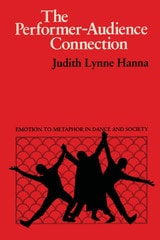
The Performer-Audience Connection
Emotion to Metaphor in Dance and SocietyBy Judith Lynne Hanna
University of Texas Press, 1983
The Performer-Audience Connection is a pioneering foray into one of the major puzzles of human communication: the communication of emotion in dance. It is the first attempt of its kind systematically to investigate what performers wish to convey and what audiences perceive in the performance of dance.
The centerpiece of this provocative book is an examination of performer intentions and audience response at eight dance performances in Washington, D.C. Part of the Smithsonian Institution Division of Performing Arts Dance Series, these concerts featured a variety of dance genres and cultures: American tap dance, Kathakali dance-drama from Kerala, India, Japanese Kabuki, contemporary avant-garde dance, Philippine folk dance, the Indian classical tradition of Kuchipudi, and modern dance to an AfroAmerican spiritual.
How did dancer and audience interact at the emotional level on these eight occasions? What affected performer-audience rapport? Through interviews of both spectators and dancers, Judith Lynne Hanna explores the performers' ways of imparting emotion through movement and audience members' expectations and responses. In doing so she casts new light on important issues of cultural identity, sex role, historic attitudes toward dance, and even marketing the arts today.
A landmark work not only for performers who wish to reach their audiences more effectively but also for choreographers, anthropologists, specialists in nonverbal communication, behavioral scientists, educators, and all who are fascinated by the arts and the special magic of the "performer-audience connection."
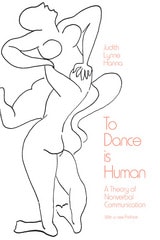
To Dance is Human
A Theory of Nonverbal CommunicationJudith Lynne Hanna
University of Chicago Press, 1987