Results by title
2 books match the query 'Hill, Joanna'
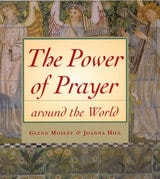
Power Of Prayer Around The World
Glenn Mosley
Templeton Press, 2005
Universally, the power of prayer has been recognized by many cultures for immeasurable time. Whether it be a part of a formal service recited with a congregation of worshipers or an individual, quiet moment, prayer is part of the lives of people from a variety of religions.
There seems to be an innate urge among humanity to connect with a higher source of energy and love when we need guidance or direction, and this is called prayer. By reading the prayers from religions such as Buddhism, Hinduism, Christianity, and Islam, from cultures in Africa, India, Egypt, and China, we begin to share the sense of a common experience.
The deepest inner feelings and longings are similar—concern for family, assistance in healing, a longing for peace, or a wish for greater wisdom. For some people, prayer can be thought of as a way to ask for specific goals or special favors. This type of prayer may or may not be effective. Another type of prayer exists when all selfish desire is put aside and we feel ourselves in communion with God. At this point, our greatest wish is that God's will be done.
There may be pressing concerns that make us turn our sights upward, but we learn to let go of the end result. At this point, prayer becomes a way of opening up to the universal, loving, creative energy that exists and is far greater than any person could imagine. This is the source of miracles, of faith and unconditional love. Prayer then becomes more than a means to an end; it becomes a state of humility and of awe. It can exist whether we are washing the floor or composing a symphony. Prayer is communion with the Divine, a universal loving creative force that exists in a variety of ways for people around the world.
This book brings together an inspirational collection of prayer suitable for all ages and traditions. In addition, it offers insight and guidance about the nature of prayer that will be useful for the serious seeker.
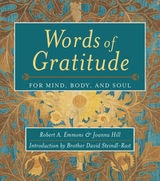
Words Of Gratitude Mind Body & Soul
Robert A. Emmons
Templeton Press, 2001
"The test of all happiness,” said G.K. Chesterton, “is gratitude."
Learning to experience gratitude involves being grateful as an attitude, not as a reaction when good things occur. To be grateful, one does not need to wait until things are perfect. In fact, practicing gratitude makes one receptive to life's blessings, and these blessings continue as we continue to be thankful.
In one study, described by author Robert Emmons, participants who wrote about five things for which they were grateful experienced more positive emotional states and were more likely to help others over a period of ten weeks than were participants who wrote about the hassles and stressors they experienced during the same time.
"Love wholeheartedly,” says Brother David Steindl-Rast, “be surprised, give thanks and praise—then you will discover the fullness of your life."
Gratitude provides gifts to both the giver and the receiver, and this illuminating book will inspire readers to recognize just how truly blessed we are.