Results by title
2 books match the query 'Holocaust Memory'
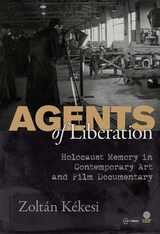
Agents of Liberations
Holocaust Memory in Contemporary Art and Documentary FilmZoltán Kékesi
Central European University Press, 2015
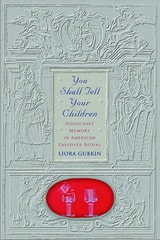
You Shall Tell Your Children
Holocaust Memory in American Passover RitualGubkin, Liora
Rutgers University Press, 2007
Passover is among the most widely observed holidays for American Jews. During this festival of redemption, Jewish families retell the biblical story of Exodus using a ritual book known as a haggadah, often weaving modern tales of oppression through the biblical narrative. References to the Holocaust are some of the most common additions to contemporary haggadot. However, the parallel between ancient and modern oppression, which seems obvious to some, raises troubling questions for many others. Is it possible to find any redemptive meaning in the Nazi genocide? Are we adding value to this unforgivable moment in history?
Liora Gubkin critiques commemorations that violate memory by erasing the value of everyday life that was lost and collapse the diversity of responses both during the Shoah and afterward. She recounts oral testimonies from Holocaust survivors, cites references to the holiday in popular American culture, and analyzes examples of actual haggadot. Ultimately, Gubkin concludes that it is possible and important to make a space for Holocaust commemoration, all the time recognizing that haggadot must be constantly revisited and “performed.”