Results by title
2 books match the query 'Houston, Benjamin'

A New History of Black Pittsburgh
Advancing the Case for Reparatory JusticeJoe William Trotter, Jr., Esther Bush, Laurence Glasco, Benjamin Houston, Patricia Pugh Mitchell, Tony Norman, Rob Ruck, and Carla Young
University of Michigan Press, 2027
A rising chorus of voices have called for redress and compensation to level the playing field for African Americans across all walks of life. A New History of Black Pittsburgh brings together humanities scholars, social service and social justice activists, and community residents to document multigenerational patterns of class and racial inequality and forge a comprehensive case for reparatory justice.
Focusing on industry’s “first city,” the authors draw on oral histories, archival research, and scholarship to examine more than two centuries of Pittsburgh’s history. By featuring a city home to professional Negro League baseball teams, jazz artists, the Pittsburgh Courier, and acclaimed writers and playwrights, the authors show that recognizing ongoing creativity and community-building activities is just as vital for the case for reparations as documenting persistent forms of inequality. A New History of Black Pittsburgh offers insights and policy recommendations to inspire activists, educators, historians, and policymakers working to repair the damage of racial inequality around the globe.
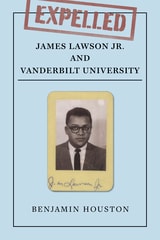
Expelled
James Lawson Jr. and Vanderbilt UniversityBenjamin Houston
Vanderbilt University Press, 2026
In February 1960, as lunch counter sit-ins began in Southern cities, national attention focused on Nashville, where demonstrations were carried out by an unusually organized and disciplined group of students tutored extensively in nonviolent direct action. Their mentor was Reverend James Lawson Jr., a graduate student at Vanderbilt University Divinity School with longstanding nonviolent credentials. His workshops with Nashville students, exploring Gandhian style philosophies and tactics, had predated the famed Greensboro sit-ins.
As demonstrations continued in Nashville and successive sit-ins saw violence erupt downtown, local Black ministers demanded an audience with Mayor Ben West. At this meeting, an exchange occurred that was misconstrued by subsequent newspaper reportage. Shortly thereafter, Lawson was summarily expelled from Vanderbilt, one semester shy of graduating.
Lawson’s ouster triggered a wave of repercussions and headlines. After extended negotiations with their superiors were rebuffed, a large contingent of Divinity School faculty resigned en masse. Simmering dissension between the university’s professors, Board of Trust, and administrators kept the crisis ongoing. Sustained criticism of Vanderbilt both within the city and nationally made for a turbulent situation as Lawson’s expulsion came to symbolize profound tensions about civil rights and racial justice.