Results by title
3 books match the query 'How It Works'
Antidumping
How It Works and Who Gets HurtJ. Michael Finger
University of Michigan Press, 1993
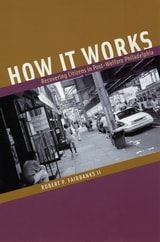
How It Works
Recovering Citizens in Post-Welfare PhiladelphiaRobert P. Fairbanks II
University of Chicago Press, 2009
Of the some sixty thousand vacant properties in Philadelphia, half of them are abandoned row houses. Taken as a whole, these derelict homes symbolize the city’s plight in the wake of industrial decline. But a closer look reveals a remarkable new phenomenon—street-level entrepreneurs repurposing hundreds of these empty houses as facilities for recovering addicts and alcoholics. How It Works is a compelling study of this recovery house movement and its place in the new urban order wrought by welfare reform.
To find out what life is like in these recovery houses, Robert P. Fairbanks II goes inside one particular home in the Kensington neighborhood. Operating without a license and unregulated by any government office, the recovery house provides food, shelter, company, and a bracing self-help philosophy to addicts in an area saturated with drugs and devastated by poverty. From this starkly vivid close-up, Fairbanks widens his lens to reveal the intricate relationships the recovery houses have forged with public welfare, the formal drug treatment sector, criminal justice institutions, and the local government.
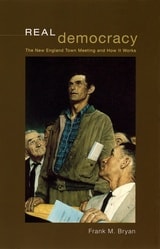
Real Democracy
The New England Town Meeting and How It WorksFrank M. Bryan
University of Chicago Press, 2003
A nationally recognized expert on this topic, Bryan has now done just that. Studying 1,500 town meetings in his home state of Vermont, he and his students recorded a staggering amount of data about them—238,603 acts of participation by 63,140 citizens in 210 different towns. Drawing on this evidence as well as on evocative "witness" accounts—from casual observers to no lesser a light than Aleksandr Solzhenitsyn—Bryan paints a vivid picture of how real democracy works. Among the many fascinating questions he explores: why attendance varies sharply with town size, how citizens resolve conflicts in open forums, and how men and women behave differently in town meetings. In the end, Bryan interprets this brand of local government to find evidence for its considerable staying power as the most authentic and meaningful form of direct democracy.
Giving us a rare glimpse into how democracy works in the real world, Bryan presents here an unorthodox and definitive book on this most cherished of American institutions.