Results by title
2 books match the query 'Howe, James'
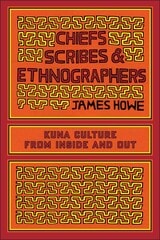
Chiefs, Scribes, and Ethnographers
Kuna Culture from Inside and OutBy James Howe
University of Texas Press, 2009
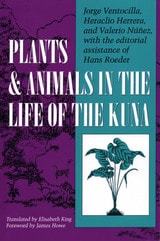
Plants and Animals in the Life of the Kuna
By Jorge Ventocilla, Heraclio Herrera, & Valerio Núñez
University of Texas Press, 1995
"The earth is the mother of all things"; thus begins this original and accessible book on how the Kuna of Panama relate to the natural world. An integrative project involving Kuna traditional leaders and trained scholars, and fully illustrated by a Kuna artist, this translation of Plantas y animales en la vida del pueblo Kuna focuses on Kuna plant and animal life, social life, and social change as a means of saving traditional ecological knowledge and "returning" it to the community.
The authors hope to preserve the Kuna environment not only by reviving traditional technologies but also by educating the Kuna as to what needs protection. While the Kuna have a tradition of living in harmony with the land, the intrusion of the market economy is eroding the very basis of their sustainable way of life.
As a response to this crisis, this book seeks to develop native self-awareness and provide a model for collaboration. It will appeal to Latin Americanists, anthropologists, and ethnobotanists, as well as to a general readership in environmental issues.