Results by title
5 books match the query 'Hunter'
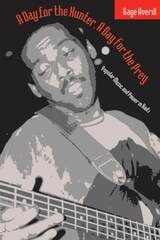
A Day for the Hunter, a Day for the Prey
Popular Music and Power in HaitiGage Averill
University of Chicago Press, 1997
Averill explores such diverse genres as Haitian jazz, troubadour traditions, Vodou-jazz, konpa, mini-djaz, new generation, and roots music. He examines the complex interaction of music with power in contexts such as honorific rituals, sponsored street celebrations, Carnival, and social movements that span the political spectrum.
With firsthand accounts by musicians, photos, song texts, and ethnographic descriptions, this book explores the profound manifestations of power and song in the day-to-day efforts of ordinary Haitians to rise above political repression.

Shadow of the Hunter
Richard K. Nelson
University of Chicago Press, 1983
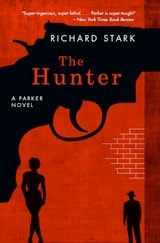
The Hunter
A Parker NovelRichard Stark
University of Chicago Press, 1962
Richard Stark's Parker novels are the hardest of hard-boiled, classic crime novels where the heists are huge, the body counts are high, and the bad guys usually win.
The Parker novels have been a huge influence on countless writers and filmmakers, including Quentin Tarantino, Stephen King, George Pelecanos, Colson Whitehead, Lucy Sante, John Banville, and many more. Their stripped-down language and hard-as-nails amorality create an unforgettable world where the next score could be the big one, but your next mistake could also be your last. There's nothing else like them.
The Hunter is where it all begin. It opens with Parker's woman shooting him just above the belt and leaving him for dead. She and his partner torch the house, with Parker in it, and take the money he had helped them steal. It all went down just the way they'd planned, except for one thing: Parker didn't die.
From there, our ruthless antihero roars into New York City, seeking revenge on the woman who betrayed him and on the man who took his money, stealing and scamming his way to redemption. The volume that kickstarted Parker's half-century career of larceny—and inspired the classic 1967 motion picture Point Blank, starring Lee Marvin—The Hunter is as thrilling today as it was when it was first published. Pick up your first Parker novel and you won't stop until you're read them all.
The Life of a Hunter
Michelle Robinson
University of Iowa Press, 2005
The Night of the Hunter
A Biography of a FilmJeffrey Couchman
Northwestern University Press, 2009
Reaching simultaneously into the realms of film and literature, this detailed exploration of The Night of the Hunter examines the genesis and the eclectic form of each work and the process of transformation by which the novel became a motion picture. It provides the first major study of the long-lost first-draft screenplay by James Agee and confronts a fifty-year controversy about the authorship of the film. This is a story of artistic convergence on many levels--of novelist and director, director and actor, and cinematic form and tastes. The novel, a 1953 debut from Davis Grubb, was a popular and critical success, remaining on the New York Times best-seller list for four months. Hollywood responded to its atmospheric lyricism, and in the hands of first time director Charles Laughton, the book became a film that is equal parts thriller, allegory, and fever dream, filled with slow, inexorable suspense. On the set, Laughton functioned both as an auteur and a collaborator to create his vision of the book, mixing cinematic flourishes both realistic and abstract in sometimes tense situations. The talents that clashed or came together along the road from book to movie make the final film a product of rich stylistic contradiction and rewarding complexity. Through biography, production history, and critical analysis of the novel and film, author Jeffrey Couchman makes the case that this initially overlooked cinematic gem is a prismatic work that continually reveals new aspects of itself.