Results by title
5 books match the query 'Kosovo (Republic)'
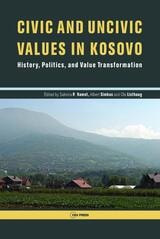
Civic and Uncivic Values in Kosovo
History, Politics, and Value TransformationSabrina P. Ramet
Central European University Press, 2015
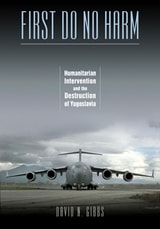
First Do No Harm
Humanitarian Intervention and the Destruction of YugoslaviaDavid N. Gibbs
Vanderbilt University Press, 2009
The book focuses on the 1991-99 breakup of Yugoslavia, which helped forge the idea that the United States and its allies could stage humanitarian interventions that would end ethnic strife. It is widely believed that NATO bombing campaigns in Bosnia and Kosovo played a vital role in stopping Serb-directed aggression, and thus resolving the conflict.
Gibbs challenges this view, offering an extended critique of Samantha Power's Pulitzer Prize-winning book, A Problem from Hell: America in the Age of Genocide. He shows that intervention contributed to the initial breakup of Yugoslavia, and then helped spread the violence and destruction. Gibbs also explains how the motives for U.S. intervention were rooted in its struggle for continued hegemony in Europe.
First Do No Harm argues for a new, noninterventionist model for U.S. foreign policy, one that deploys nonmilitary methods for addressing ethnic violence.

Fools' Crusade
Yugoslavia, NATO and Western DelusionsDiana Johnstone
Pluto Press, 2002
Thanks to massive deception and self-deception by media and politicians, even the anti-globalisation movement failed to grasp the implications of the aggressive military globalisation pursued by the United States, from Iraq to Afghanistan and beyond.
In this study, Diana Johnstone identifies the common geopolitical interests running through all these past, present and future military interventions. She argues persuasively that outside intervention creates rather than solves problems and cannot be justified.
Johnstone shows that the 'War in Kosovo' was in reality the model for future destruction of countries seen as potential threats to the hegemony of the 'International Community', led by the United States.
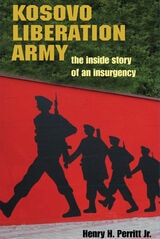
Kosovo Liberation Army
The Inside Story of an InsurgencyHenry H. Perritt Jr.
University of Illinois Press, 2008
The military intervention by NATO in Kosovo was portrayed in American media as a necessary step to prevent the Serbian armed forces from repeating the ethnic cleansing that had so deeply damaged the former Yugoslavia. Serbia trained its military on Kosovo because of an ongoing armed struggle by ethnic Albanians to wrest independence from Serbia. Warfare in the Balkans seemed to threaten the stability of Europe, as well as the peace and security of Kosovars, and yet armed resistance seemed to offer the only possibility of future stability. Leading the struggle against Serbia was the Kosovo Liberation Army, also known as the KLA.
Kosovo Liberation Army: The Inside Story of an Insurgency provides a historical background for the KLA and describes its activities up to and including the NATO intervention. Henry H. Perritt Jr. offers firsthand insight into the motives and organization of a popular insurgency, detailing the strategies of recruitment, training, and financing that made the KLA one of the most successful insurgencies of the post-cold war era. This volume also tells the personal stories of young people who took up guns in response to repeated humiliation by "foreign occupiers," as they perceived the Serb police and intelligence personnel. Perritt illuminates the factors that led to the KLA's success, including its convergence with political developments in eastern Europe, its campaign for popular support both at home and abroad, and its participation in international negotiations and a peace settlement that helped pave the long road from war to peace.
Why Kosovo Matters
Denis MacShane
Haus Publishing, 2011