Results by title
2 books match the query 'Little Caesar'
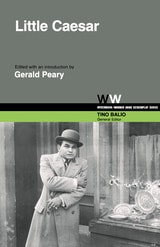
Little Caesar
Edited, with an introduction by Gerald Peary; Tino T. Balio, Series Editor
University of Wisconsin Press, 1981
Little Caesar, a 1931 Hollywood gangster classic, is viewed in revivals today with nearly as much audience enthusiasm as it enjoyed a half-century ago, in the depths of the Great Depression.
In general, the Hollywood film industry responded to the dark economic conditions of the 1930s with escapist and non-topical films. The fascinating exception was the gangster film, through which the studios joined in the debate over the spiritual and economic health of the nation. Little Caesar, considered by many to be an architype of the genre, is one of the most memorable dramatizations of the discontent and alienation, the deep anxiety and hostility shared by millions of Americans during those dark years.
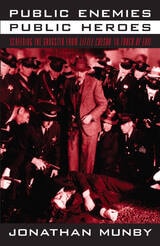
Public Enemies, Public Heroes
Screening the Gangster from Little Caesar to Touch of EvilJonathan Munby
University of Chicago Press, 1999
Beginning in the early 1930s, these films told compelling stories about ethnic urban lower-class desires to "make it" in an America dominated by Anglo-Saxon Protestant ideals and devastated by the Great Depression. By the late 1940s, however, their focus shifted to the problems of a culture maladjusting to a new peacetime sociopolitical order governed by corporate capitalism. The gangster no longer challenged the establishment; the issue was not "making it," but simply "making do."
Combining film analysis with archival material from the Production Code Administration (Hollywood's self-censoring authority), Munby shows how the industry circumvented censure, and how its altered gangsters (influenced by European filmmakers) fueled the infamous inquisitions of Hollywood in the postwar '40s and '50s by the House Committee on Un-American Activities. Ultimately, this provocative study suggests that we rethink our ideas about crime and violence in depictions of Americans fighting against the status quo.