Results by title
3 books match the query 'Mass media in education'
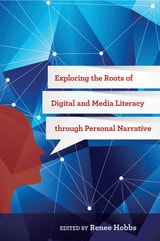
Exploring the Roots of Digital and Media Literacy through Personal Narrative
Renee Hobbs
Temple University Press, 2016
Exploring the Roots of Digital and Media Literacy through Personal Narrative provides a wide-ranging look at the origins, concepts, theories, and practices of the field. This unique, exciting collection of essays by a range of distinguished scholars and practitioners offers insights into the scholars and thinkers who fertilized the minds of those who helped shape the theory and practice of digital and media literacy education.
Each chapter describes an individual whom the author considers to be a type of “grandparent.” By weaving together two sets of personal stories—that of the contributing author and that of the key ideas and life history of the historical figure under their scrutiny—major concepts of digital media and learning emerge.
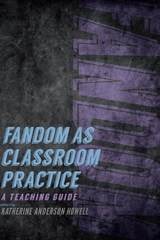
Fandom as Classroom Practice
A Teaching GuideKatherine Anderson Howell
University of Iowa Press, 2018
Providing ways to engage students through their popular culture interests, this collection brings together several essays, across disciplines, to show how fan practices such as writing fan fiction, creating vids, communicating via Tumblr, and participating in film tourism can invite students to invest more of themselves into their education.
Both scholarship and fandom encourage passionate engagement with texts—rather than passive consumption in isolation— and editor Katherine Anderson Howell and her contributors find that when students are encouraged to partake in a remix classroom that encourages their fan interests, they participate more in their education, are more critical of experts and authorities, and actively shape the discourse themselves. Creating this remix classroom requires thoughtfulness on the instructor’s part, and so the chapters in this volume come from teachers who have carefully constructed such courses, including several invaluable appendices that provide examples of methodologies, course assignments, teaching practices, and classroom setup. Each chapter also includes student responses that offer a sense of what students gained from each course.
The result is an exciting and entertaining new way to motivate students and teachers alike, and it is sure to be a popular reference guide for instructors teaching classes from high school to graduate levels.
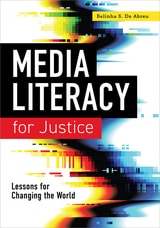
Media Literacy for Justice
Lessons for Changing the WorldBelinha S. De Abreu
American Library Association, 2022
Foreword by Yohuru Williams, Racial Justice Initiative, Dean of the College of Arts and Sciences. St. Thomas University, Minneapolis; Preface by Asha Rangappa, former FBI agent and Senior Lecturer, Yale University’s Jackson Institute for Global Affairs
Providing context, reflection points, and ready-to-use lesson plans, this powerful book illuminates the intersections of social justice and media literacy for educators, school and public librarians, teachers of history and civics, information literacy instructors, and community leaders.The corrosive effects of today’s relentless tide of media are pernicious. We are conditioned in many ways by our media environments to accept and not question, making it crucial that young people master the skills necessary to access, analyze, evaluate, and create media. De Abreu and her fellow contributors propose that a key solution to our society’s crisis of misinformation, misrepresentation, and misunderstanding lies in melding social justice aims with media literacy concepts and skills. Featuring reflective activities and lesson ideas that can be adapted for educational settings from higher education to the K-12 spectrum, community centers, and libraries, this resource
- spotlights the work of school library media specialists, classroom teachers, academic educators, and representatives of non-profits from around the world;
- presents ten chapters which explore such timely issues as how to deal with controversial topics in the classroom, the effects of misinformation/disinformation on civics in society, why the media underrepresents certain people in their programming, the digital divide and where libraries fit in, how injustice exacerbates public health issues, and global conceptions of social justice and media literacy examined through various world events; and
- provides information about additional resources like social action/advocacy organizations, classroom resources, and films that will assist readers as they reflect upon, teach, and discuss media literacy and social justice.