Results by title

2 books match the query 'Monasteries'
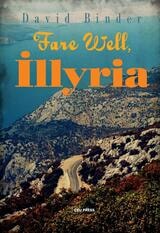
cover of Fare Well, Illyria

Fare Well, Illyria

David Binder

Central European University Press, 2014
As a reporter for the prestigious New York Times the author interviewed many of the leading political figures of the Balkans (Illyria). He also sought out the area's intellectuals, many of them critical of their leaders, and everyday people who provide a sense of daily life. He devotes a chapter to each ethnic group from Vlachs to Serbs, talks about their differences and similarities, and does so without giving offense. He also provides a short historical account of the various places he visits, which deepens our understanding of the local cultures. The reader meets people from all walks of life: politicians, poets, literary and art critics, journalists, handymen, car mechanics, fishermen and farmers. From Milovan Djilas and Nicolae Ceausescu to Markos Vafiadis and Sali Berisha to the Serbian “majstor” Misha and an un-named Bosnian bar singer, Binder's book features a remarkable gallery of people whose presence contributes authenticity and human warmth to the narrative.
[more]
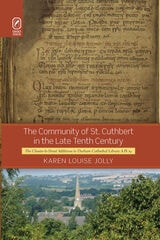
cover of The Community of St. Cuthbert in the Late Tenth Century: The Chester-le-Street Additions to Durham Cathedral Library A.IV.19

The Community of St. Cuthbert in the Late Tenth Century

The Chester-le-Street Additions to Durham Cathedral Library A.IV.19

Karen Louise Jolly

The Ohio State University Press, 2012

The Community of St. Cuthbert in the Late Tenth Century: The Chester-le-Street Additions to Durham Cathedral Library A.IV.19 reveals the dynamic role a seemingly marginalized community played during a defining period for the emergence of English religious identity. Based on her new critical edition of additions made to Durham Cathedral Library A.IV.19 and by questioning the purpose of those late tenth-century additions, Karen Louise Jolly is able to uncover much about the Chester-le-Street scribes and their tumultuous time, rife as it was with various political tensions, from Vikings and local Northumbrian nobles to an increasingly dominant West Saxon monarchy.

Why, for instance, would a priest laboriously insert an Old English gloss above every Latin word in a collection of prayers intended to be performed in Latin? What motivated the same English scribe to include Irish-derived Christian materials in the manuscript, including prayers invoking the archangel Panchiel to clear birds from a field?

Jolly’s extensive contextual analysis includes a biography of Aldred, the priest and provost of the community primarily responsible for adding these unusual texts. Besides reinterpreting the manuscript's paleography and codicology, she investigates both the drive for reform evidenced by the added liturgical materials and the new importance of Irish-derived encyclopedic and educational materials.
[more]