Results by title
5 books match the query 'Planting'
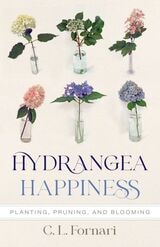
Hydrangea Happiness
Planting, Pruning, and BloomingC. L. Fornari
Brandeis University Press, 2026
A comprehensive, easy-to-use, illustrated guide to hydrangeas for novice gardeners and experienced horticulturists.
With large, long-lasting flowers that range from showy pinks to heartbreaking shades of blue, hydrangeas are captivating, popular plants. Yet gardeners often find themselves flummoxed by the challenge of understanding and growing the many varieties of these shrubs.
Writer, radio host, and gardening consultant C. L. Fornari (also known as The Garden Lady) simplifies the cultivation and care of the six most popular species of hydrangeas in this practical, clear, and accessible guide. Hydrangea Happiness explains the difference between varietals and tells how and where they can successfully grow in assorted soils and conditions throughout the United States. In addition to sharing essential information, Fornari addresses myths and misinformation and fields questions about cultivating these popular plants. Punctuated with catchy rhymes and beautiful photographs, this book makes the road to Hydrangea Happiness easy, successful, and fun.
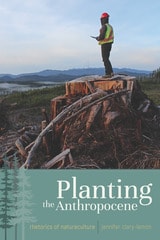
Planting the Anthropocene
Rhetorics of NaturecultureJennifer Clary-Lemon
Utah State University Press, 2019
Using the results of interviews with seasonal Canadian tree planters, Jennifer Clary-Lemon interrogates the complex and messy imbrication of nature-culture through the inadequate terminology used to describe the actual circumstances of the planters’ work and lives—and offers alternative ways to conceptualize them. Although silvicultural workers do engage with the limiting rhetoric of efficiency and humanism, they also make rhetorical choices that break down the nature-culture divide and orient them on a continuum that blurs the boundaries between the given and the constructed, the human and nonhuman. Tree-planting work is approached as a site of a deep-seated materiality—a continued re-creation of the land’s “disturbance”—rather than a simplistic form of doing good that further separates humans from landscapes.
Jennifer Clary-Lemon’s view of nature and the Anthropocene through the lens of material rhetorical studies is thoroughly original and will be of great interest to students and scholars of rhetoric and composition, especially those focused on the environment.

Planting the Garden
An Annotated Archival Bibliography of the History of Women in ManitobaMary Kinnear
University of Manitoba Press, 1987
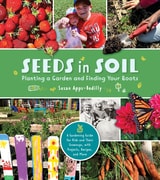
Seeds in Soil
Planting a Garden and Finding Your RootsSusan Apps-Bodilly
Wisconsin Historical Society Press, 2022
natural curiosity about nature. Seeds in Soil includes all the details to start planting and growing, whether working with a whole yard, a community or school garden, or just a balcony.
Chapters feature advice for selecting the seeds and tools to get started; ideas for planning and being creative in the garden; and tips for harvesting, storing, and cooking with fresh produce. Written by a second-grade teacher, the book includes engaging lessons about the science of climate, soil, and pollinators; and connections to history through the stories of First Nations and immigrant gardeners. Told through the author’s family stories and experience, Seeds in Soil will get kids having fun in the garden while digging, planting, growing, and finding their roots.
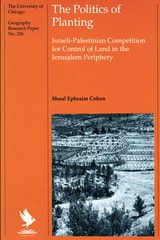
The Politics of Planting
Israeli-Palestinian Competition for Control of Land in the Jerusalem PeripheryShaul Ephraim Cohen
University of Chicago Press, 1993
Shaul Ephraim Cohen has conducted an unprecedented study of planting in the region and the control of land it signifies. In The Politics of Planting, he provides historical background and examines both the politics behind Israel's afforestation policy its consequences. Focusing on the open land surrounding Jerusalem and four Palestinian villages outside the city, this study offers a new perspective on the conflict over land use in a region where planting has become a political tool.
For the valuable data it presents—collected from field work, previously unpublished documents, and interviews—and the insight it provides into this political struggle, this will be an important book for anyone studying the Israeli-Palestinian conflict.