Results by title
2 books match the query 'Propaganda, Chinese'
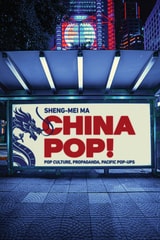
China Pop!
Pop Culture, Propaganda, Pacific Pop-UpsSheng-mei Ma
The Ohio State University Press, 2024
In China Pop! Sheng-mei Ma analyzes the propaganda-laced millennial Chinese pop culture—particularly TV dramas, films, and web novels—that streams online for over one billion Sinophone consumers in China and in diaspora. In part 1, Ma lays bare the “seductive art of propaganda” by reviewing TV series aired during the Chinese Communist Party Centennial in 2021 and the ways pop culture and propaganda are spliced. In part 2, he zeroes in on how the shared traumatic shock of the Cultural Revolution continues to echo. Parts 3 and 4 cross the Pacific to incorporate analysis of media originating outside of China, such as white depictions of revolutionary zeal and Asian American portrayals of immigrant characters that fetishize Asianness and reanimate stereotypes.
With methodological daring, Ma challenges existing scholarship by blending the professional and the personal through a lively and accessible autotheoretical approach. China Pop! walks the East-West cultural tightrope to critique a wide range of pop culture from both sides of the Pacific and sheds new light on the workings of propaganda on its intended audiences and its wider, more subtle reaches in both political and cultural spheres.
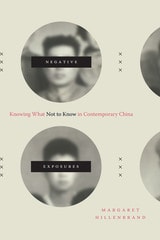
Negative Exposures
Knowing What Not to Know in Contemporary ChinaMargaret Hillenbrand
Duke University Press, 2020