Results by title
2 books match the query 'Roley, Brian Ascalon'
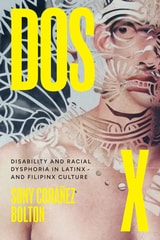
Dos X
Disability and Racial Dysphoria in Latinx and Filipinx CultureSony Coráñez Bolton
University of Texas Press, 2025
An examination of the interconnectedness of brown-racialized people across multiple identities, told through case studies of television, literature, and writing.
As a Filipinx immigrant to the United States, Sony Coráñez Bolton has frequently been mistaken as Mexican. Dos X theorizes such misrecognition. What does it mean to exist in this liminal state, which Coráñez Bolton dubs the “racial uncanny”? What generative possibilities emerge from the presumed interchangeability of Latinx and Filipinx bodies—and from the in-betweenness of brownness as such?
Dos X tracks misrecognition through cultural products like the TV series Undone, Brian Ascalon Roley’s American Son, and the nonfiction work of Jose Antonio Vargas. Misrecognition, Coráñez Bolton argues, produces moments of uncanniness in which subjects experience dysphoric attachments to identities that aren’t supposed to be theirs. In the context of racial capitalism, racial dysphoria is a disability because it undermines certainty about what one’s body is and therefore what role one is meant to play as a laborer. But racial dysphoria can also be revealing. Coráñez Bolton identifies vast potential in this supposed disability, which compels its “sufferers” to confront their shared position within the social, political, and economic organization of capital’s empire, opening new avenues for liberatory solidarity.
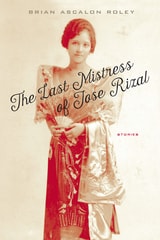
The Last Mistress of Jose Rizal
StoriesBrian Ascalon Roley
Northwestern University Press, 2016
Roley’s work has been praised by everyone from New York Times literary critics to APIA author Helen Zia for his bare, poetic style and raw emotionalism. In the collection’s title story, a woman living with her daughter and her daughter’s American husband fears the loss of Filipino tradition, especially Catholicism, as she tries to secretly permeate her granddaughter’s existence with elements of her ancestry. In "New Relations," an American-born son introduces his mother to his Caucasian bride and her family, only to experience his first marital discord around issues of politesse, the perception of culture, and post-colonial legacies. Roley’s delicately nuanced collection often leaves the audience with the awkwardness that comes from things lost in translation or entangled in generational divides.