Results by title

13 books match the query 'Shrubs'
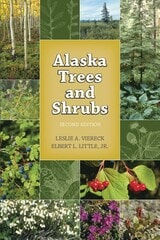
cover of Alaska Trees and Shrubs

Alaska Trees and Shrubs

Les Viereck

University of Alaska Press, 2007

Alaska Trees and Shrubs has been the definitive work on the woody plants of Alaska for more than three decades. This new, completely revised second edition provides updated information on habitat, as well as detailed descriptions of every tree or shrub species in the state. New distribution maps reflect the latest survey data, while the keys, glossary, and appendix on non-native plants make this the most useful guide to Alaska trees and shrubs ever published.
[more]
cover of Hydrangea Happiness: Planting, Pruning, and Blooming

Hydrangea Happiness

Planting, Pruning, and Blooming

C. L. Fornari

Brandeis University Press, 2026

A comprehensive, easy-to-use, illustrated guide to hydrangeas for novice gardeners and experienced horticulturists.
 
With large, long-lasting flowers that range from showy pinks to heartbreaking shades of blue, hydrangeas are captivating, popular plants. Yet gardeners often find themselves flummoxed by the challenge of understanding and growing the many varieties of these shrubs.
 
Writer, radio host, and gardening consultant C. L. Fornari (also known as The Garden Lady) simplifies the cultivation and care of the six most popular species of hydrangeas in this practical, clear, and accessible guide. Hydrangea Happiness explains the difference between varietals and tells how and where they can successfully grow in assorted soils and conditions throughout the United States. In addition to sharing essential information, Fornari addresses myths and misinformation and fields questions about cultivating these popular plants. Punctuated with catchy rhymes and beautiful photographs, this book makes the road to Hydrangea Happiness easy, successful, and fun.
[more]
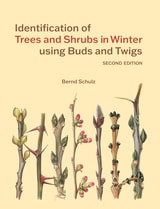
cover of Identification of Trees & Shrubs in Winter Using Buds and Twigs, Second Edition

Identification of Trees & Shrubs in Winter Using Buds and Twigs, Second Edition

Bernd Schulz

Royal Botanic Gardens, Kew, 2025

An updated edition of Bernd Schulz’s unrivaled practical guide to identifying trees and shrubs in winter. 

This second edition of the essential reference book for plant identification in winter is updated with new illustrations and fully revised text.

To many plant lovers winter seems like lost time, but a glance at the twigs of trees and shrubs shows that this does not need to be the case. In contrast to other life forms, trees and shrubs do not die above ground but enclose their shoots for the next year in buds, presenting many characters which hardly change over time. Using these bud and twig characters, deciduous trees and shrubs can be classified reliably in winter, which is particularly important during planting time.

Comprehensive and easy to use, Identification of Trees & Shrubs in Winter using Buds and Twigs contains over seven hundred species identifiable via their winter buds and twigs. The illustrated identification keys are easy to use, and a summary set of keys is provided as an appendix. Detailed descriptions are accompanied with 1,900 illustrations.
[more]
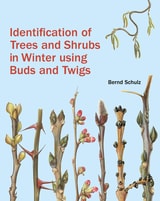
cover of Identification of Trees and Shrubs in Winter Using Buds and Twigs

Identification of Trees and Shrubs in Winter Using Buds and Twigs

Bernd Schulz

Royal Botanic Gardens, Kew, 2018

For many plant lovers, winter seems like a lost time. The bursts of color and distinctive leaf shapes disappear, leaving what seems like ambiguous branches. But there is no need for botanical enthusiasts to hunker down until spring. What we overlook as “dead trees” are simply shoots covered up for the season. If we look closer, we’ll see that trees and shrubs have distinct shapes to their buds and twigs that allow them to be classified reliably in winter.

While most books focus on identifying leaves and other seasonal characteristics, this practical guide is one of the few that will allow gardeners to identify trees and shrubs while they are in their dormant state. It covers more than seven hundred species and includes easy-to-use illustrated identification keys. More than 1,400 color images make it even easier to spot the distinctive pieces of these plants.
[more]
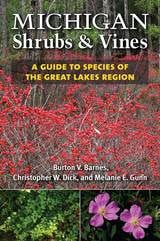
cover of Michigan Shrubs and Vines: A Guide to Species of the Great Lakes Region

Michigan Shrubs and Vines

A Guide to Species of the Great Lakes Region

Burton V. Barnes, Christopher W. Dick, and Melanie E. Gunn

University of Michigan Press, 2016
Shrubs and vines are some of the most diverse and widespread plants in the Great Lakes Region. Michigan Shrubs and Vines is the must-have book for anyone who wishes to identify and learn about these fascinating plants. Presented in the same attractive, easy-to-use format as the classic Michigan Trees, the book gives detailed descriptions of 132 species, providing concise information on key characters, habitat, distribution, and growth pattern. Precise line drawings accompany each species description and illustrate arrangement and characteristics of leaves, flowers, and fruits in addition to stem structure to assist with reliable year-round identification. A thorough introduction covers the features and forms of shrubs and vines as well as their natural history, their role in landscape ecosystems, and their occurrence in regional ecosystems of North America and plant communities of the Great Lakes. This long awaited companion to Michigan Trees will appeal to botanists, ecologists, students, and amateur naturalists alike.

[more]
cover of Midwestern Native Shrubs and Trees: Gardening Alternatives to Nonnative Species: An Illustrated Guide

Midwestern Native Shrubs and Trees

Gardening Alternatives to Nonnative Species: An Illustrated Guide

Charlotte Adelman, Bernard L. Schwartz

Ohio University Press, 2016
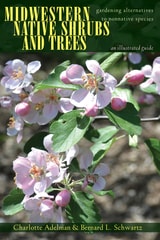
In this companion volume to the bestselling The Midwestern Native Garden: Native Alternatives to Nonnative Flowers and Plants, Charlotte Adelman and Bernard L. Schwartz offer another indispensible guide to replacing nonnative plants with native alternatives. This time, their subject is the native woody species that are the backbone of our gardens and landscapes. Among other ecological benefits, native shrubs and trees provide birds and butterflies with vital food and reproductive sites that nonnative species cannot offer. And they tend to be hardier and easier to maintain. The authors provide a comprehensive selection of native woody alternatives that, season by season, provide effects similar to those of nonnative shrubs and trees used for ornamental purposes and shade. These plants are suitable for all garden styles, provide blooms and fall color, and have the same cultivation requirements as their nonnative counterparts. Nature notes alert readers to the native species’ unique ecological roles. Unlike other gardening guides, Midwestern Native Shrubs and Trees goes beyond mere suggestion to provide gardeners with the tools they need to make informed, thoughtful choices. Knowing which native species to plant for desired effects empowers landscapers and gardeners to take on a greater role in protecting our midwestern environment.
[more]
cover of Shrubs Of The Great Basin: A Natural History

Shrubs Of The Great Basin

A Natural History

Hugh N. Mozingo

University of Nevada Press, 1987

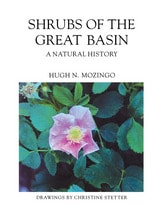
Mozingo presents the life histories of more than sixty species of both common and unusual shrubs, and discusses how shrubs grow, reproduce, and adapt to the extreme weather conditions that are part of daily life in the Great Basin. Drawings by Christine Stetter.
[more]
cover of Shrubs and Vines of Iowa

Shrubs and Vines of Iowa

Peter J. van der Linden, Donald R. Farrar

University of Iowa Press, 2016

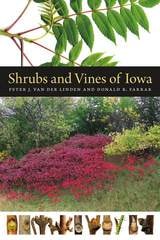
Shrubs and vines, often literally overshadowed by trees, also receive much less attention than their taller neighbors, and yet they are very important elements of the region’s natural landscape. A guide to these interesting and useful plants, this book identifies all 150 shrubs and vines native to Iowa, along with frequently seen naturalized ones. Here you’ll find the widely distributed buttonbush, the distinctive pagoda dogwoods, sumacs with their striking fall foliage, the adaptable ninebark, the attractive grape honeysuckle, the many species of Rubus and wild grapes that provide food for birds and animals, willows with their graceful promise of spring, and the diverse viburnums.

Like trees, shrubs and vines are woody plants that are easy to observe year round. The first part of this book will help you identify them. Illustrated keys take you through the identification process one step at time; these are followed by images and descriptions of all but the rarest species. Noted naturalists Peter van der Linden and Donald Farrar also provide information about each species’ distribution, ecology, and uses. Summer and winter features are covered separately to facilitate identification at these two very different times of year.

Chapters about the culture and natural history of shrubs and vines explain why the plants grow where they do in nature and show how to use them effectively in outdoor spaces. Plants native to Iowa have much to offer to the landscaper: winter hardiness, resistance to drought and climatic extremes, and food and shelter for native wildlife and pollinators. Many natives are ornamental as well, providing attractive flowers, bright autumn displays, and colorful stems or fruits in winter. The authors offer tips for selecting, planting, and caring for these plants effectively. With native plants, you can create a landscape that is sustainable, authentic to place, and satisfying to you.

Iowa and midwestern arborists, conservationists, horticulturists, landscape architects, gardeners, and all those who appreciate the beauty and value of native plants will find Shrubs and Vines of Iowa immensely useful. 
[more]
cover of Trailside Botany: 101 Favorite Trees, Shrubs, and Wildflowers of the Upper Midwest

Trailside Botany

101 Favorite Trees, Shrubs, and Wildflowers of the Upper Midwest

John Bates

University of Minnesota Press, 2004

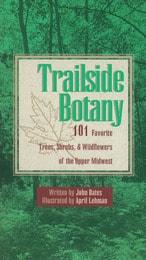
In Trailside Botany, you will find clear descriptions and detailed drawings of the 101 wildflowers, trees, and other plants that you are most likely to see along your favorite North Woods trail. Take your exploration a step further by trying the intriguing activities naturalist John Bates suggests throughout the book. The carry-along guide is a must for families, hikers, teachers, students, and naturalists of all ages.
[more]
cover of Trees & Shrubs of the Trans-Pecos and Adjacent Areas

Trees & Shrubs of the Trans-Pecos and Adjacent Areas

By A. Michael Powell

University of Texas Press, 1997

First published by the Big Bend Natural History Association in 1988 as Trees & Shrubs of Trans-Pecos Texas, this book is the only keyed guide to the more than 400 species of woody plants native to the Trans-Pecos region and adjacent areas in eastern New Mexico and northern Mexico. A. Michael Powell has significantly revised and expanded this edition, including nomenclature changes for 62 genera and new distribution information for 60 genera.
[more]
cover of WOODY PLANTS OF OHIO: Trees, Shrubs, and Woody Climbers: Native, Naturalized, and Escaped

WOODY PLANTS OF OHIO

Trees, Shrubs, and Woody Climbers: Native, Naturalized, and Escaped

E. Lucy Braun

The Ohio State University Press, 1989
[more]
cover of Winter Twigs, Revised Edition: A Wintertime Key to Deciduous Trees and Shrubs of Northwestern Oregon and Western Washington

Winter Twigs, Revised Edition

A Wintertime Key to Deciduous Trees and Shrubs of Northwestern Oregon and Western Washington

Helen Gilkey

Oregon State University Press, 2001
Winter Twigs has long been respected and widely used as a unique guide for wintertime identification of the deciduous plants of northwestern Oregon and western Washington (many of the species covered are also found in British Columbia and Alaska). The first edition of this book has been used by thousands of botany students and other interested individuals to identify plants during the months that they lack the leaves and flowers that most field guides rely on. Intended for use by teachers, students, scientists, amateur botanists, and outdoor enthusiasts, Winter Twigs brings together in one convenient volume the information necessary to identify all of the native deciduous woody plants likely to be encountered in the region, as well as many of the more common escaped cultivated species, Also included are certain species which are normally evergreen but may be deciduous during severe winters. Covered are 82 species representing 35 genera of 17 plant families likely to be found between the Cascade mountains and Pacific Coast in Washington and Oregon as far south as the Umpqua divide, and keys to all species that can be readily identified by winter characteristics. The glossary of botanical terms and more than 100 line drawings that highlight the identifying features of various plants will be especially valuable to students and beginners. To make this new edition as accurate and up-to-date as possible, the nomenclature for 22 species has been updated to conform to the latest scientific literature, with contributions by the Oregon Vascular Plant Checklist Project.
[more]
cover of Woody Plants of Western African Forests: A Guide to the Forest Trees, Shrubs and Lianes from Senegal to Ghana

Woody Plants of Western African Forests

A Guide to the Forest Trees, Shrubs and Lianes from Senegal to Ghana

William Hawthorne, and Carel Jongkin

Royal Botanic Gardens, Kew, 2006

Woody Plants of Western African Forests is an illustrated guide to the identification of 2200 trees, lianes and shrubs found in the forests of West Africa, from Senegal to Ghana. This is all the woody plants and more than 80% of the higher plants in the forests of this region, known to biogeographers as Upper Guinea. This represents 5% of all flowering plant genera in the world—1% of the species — so the book is relevant to anyone interested in tropical plants, especially but not only in the forests of tropical Africa.

Laid out as keys and with short descriptions of each species, it contains over 5,600 photographs, line drawings and maps. And, while many guides only offer hints to naming plants when they are not in flower, here the authors have based identification on leaves, bark, shoots, scent ,taste and other characters easily observed at most times.

Funded by the European Union, through its ECOSYN project (based at Wageningen University), which supports forest biodiversity and management in Upper Guinea, this magnificent, beautiful book is an indispensable reference for everyone committed to the conservation and sustainable development of Africa’s forest.
[more]