Results by title
3 books match the query 'Sillitoe, Linda'
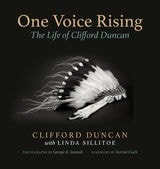
One Voice Rising
The Life of Clifford DuncanClifford Duncan with Linda Sillitoe, Photographs by George R. Janecek
University of Utah Press, 2019
“Everything was Indian then, when I was a boy. They had to explain to us about the white man's side. Now everything is in the white man's world and we teach Indian ways.”
—Clifford Duncan (from the book)
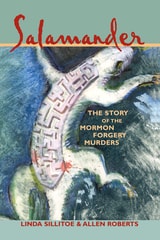
Salamander
The Story of the Mormon Forgery MurdersLinda Sillitoe
Signature Books, 2006
What was the “salamander letter” and why were so many people determined to possess—and to conceal—it? Why was this one of the most unusual cases in American forensic history?
A skilled con artist by anyone’s assessment, Mark Hofmann eluded exposure by police and document authenticators—the FBI, Library of Congress, the LDS historical department, and polygraph experts—until George Throckmorton discovered the telltale microscopic alligatoring that was characteristic of the forgeries. What ensued was a suspense-ridden cat-and-mouse game between seasoned prosecutors and a clever, homicidal criminal. In the end, this story only verifies that some facts are indeed stranger than fiction.
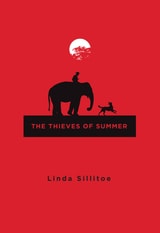
The Thieves of Summer
Linda Sillitoe
Signature Books, 2014
Prin-cess Al-ice in Liberty Park
Munch-es ba-nan-as ’til way after dark.
Princess Alice is an elephant the children of Utah purchased by donating nickels and dimes to a circus. The girls don’t know this, but her handler takes the mammoth princess out on late-night strolls around the park when the moon is out. What they do know is that the elephant sometimes escapes and goes on a rampage, crashing through front-yard fences and collecting collars of clothesline laundry around her neck, a persistent train of barking dogs following behind. The girls’ father is a police officer who is investigating a boy’s disappearance. As the case unfolds, the perception of the park, with its eighty acres of trees and grass, will change from the epitome of freedom to a place to be avoided, even as Princess Alice moves to a secure confinement at a new zoo at the mouth of Emigration Canyon. The story is loosely based on the exploits of a real live elephant that lived in Liberty Park a decade before Sillitoe’s childhood in the neighborhood.