Results by title
3 books match the query 'Spectacular, The'
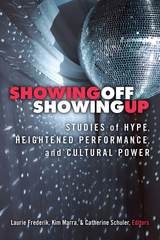
Showing Off, Showing Up
Studies of Hype, Heightened Performance, and Cultural PowerLaurie Frederik, Kim Marra, and Catherine Schuler, Editors
University of Michigan Press, 2017
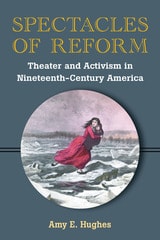
Spectacles of Reform
Theater and Activism in Nineteenth-Century AmericaAmy E. Hughes
University of Michigan Press, 2014
In the nineteenth century, long before film and television arrived to electrify audiences with explosions, car chases, and narrow escapes, it was America's theaters that offered audiences such thrills, with "sensation scenes" of speeding trains, burning buildings, and endangered bodies, often in melodramas extolling the virtues of temperance, abolition, and women's suffrage. In Spectacles of Reform , Amy E. Hughes scrutinizes these peculiar intersections of spectacle and reform, revealing that spectacle plays a crucial role in American activism. By examining how theater producers and political groups harnessed its power and appeal, Hughes suggests that spectacle was—and remains—central to the dramaturgy of reform.
Engaging evidence from lithographs to children's books to typography catalogs, Hughes traces the cultural history of three famous sensation scenes—the drunkard suffering from the delirium tremens, the fugitive slave escaping over a river, and the victim tied to the railroad tracks—assessing how they conveyed, allayed, and denied concerns about the rights and responsibilities of citizenship. These images also appeared in printed propaganda, suggesting that the coup de théâtre was an essential part of American reform culture. Additionally, Hughes argues that today's producers and advertisers continue to exploit the affective dynamism of spectacle, reaching an even broader audience through film, television, and the Internet.
To be attuned to the dynamics of spectacle, Hughes argues, is to understand how we see. Consequently, Spectacles of Reform will interest not only theater historians, but also scholars and students of political, literary, and visual culture who are curious about how U.S. citizens saw themselves and their world during a pivotal period in American history.
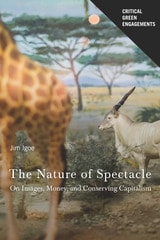
The Nature of Spectacle
On Images, Money, and Conserving CapitalismJim Igoe
University of Arizona Press, 2017
In The Nature of Spectacle, Jim Igoe embarks on multifaceted explorations of how we imagine nature and how nature shapes our imaginations. The book traces spectacular productions of imagined nature across time and space—from African nature tourism to transnational policy events to green consumer appeals in which the push of a virtual button appears to initiate a chain of events resulting in the protection of polar bears in the Arctic or jaguars in the Amazon rainforest. These explorations illuminate the often surprising intersections of consumerism, entertainment, and environmental policy. They show how these intersections figure in a strengthening and problematic policy consensus in which economic growth and ecosystem health are cast as mutually necessitating conditions. They also take seriously the potential of these intersections and how they may facilitate other alignments and imaginings that may become the basis of alternatives to our current socioecological predicaments.