Results by title
2 books match the query 'Sunshine'
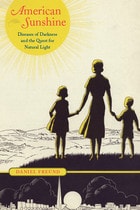
American Sunshine
Diseases of Darkness and the Quest for Natural LightDaniel Freund
University of Chicago Press, 2012
In the second half of the nineteenth century, American cities began to go dark. Hulking new buildings overspread blocks, pollution obscured the skies, and glass and smog screened out the health-giving rays of the sun. Doctors fed anxities about these new conditions with claims about a rising tide of the "diseases of darkness," especially rickets and tuberculosis.
In American Sunshine, Daniel Freund tracks the obsession with sunlight from those bleak days into the twentieth century. Before long, social reformers, medical professionals, scientists, and a growing nudist movement proffered remedies for America’s new dark age. Architects, city planners, and politicians made access to sunlight central to public housing and public health. and entrepreneurs, dairymen, and tourism boosters transformed the pursuit of sunlight and its effects into a commodity. Within this historical context, Freund sheds light on important questions about the commodification of health and nature and makes an original contribution to the histories of cities, consumerism, the environment, and medicine.
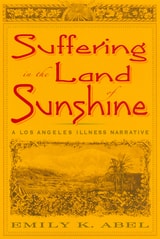
Suffering in the Land of Sunshine
A Los Angeles Illness NarrativeAbel, Emily K.
Rutgers University Press, 2006
The history of medicine is much more than the story of doctors, nurses, and hospitals. Seeking to understand the patient’s perspective, historians scour the archives, searching for rare personal accounts. Bringing together a trove of more than 400 family letters by Charles Dwight Willard, Suffering in the Land of Sunshine provides a unique window into the experience of sickness.
A Los Angeles civic leader at the turn of the twentieth century, Willard is well known to historians of the West, but exclusively for his public life as a booster and reformer. Willard’s evocative story offers fresh insights into several critical issues, including how concepts of gender, class, and race shape patients’ representations of their illness, how expectations of cure affect the illness experience, how different cultures constrain the coping strategies of the sick, and why robust health is such an exalted value in certain societies.