Results by title
3 books match the query 'Thrift'
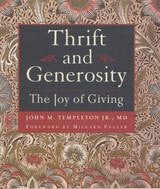
Thrift & Generosity
Joy Of GivingJohn M. Templeton
Templeton Press, 2004
In these difficult economic times, thrift may seem like a necessity, rather than a route to joy. But in this handbook, the reader learns about the virtue of thrift, and how, in combination with gratitude and generosity, it can lead to deep, lasting contentment.
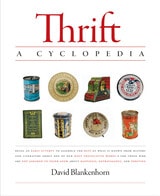
Thrift
A CyclopediaDavid Blankenhorn
Templeton Press, 2008
In today's consumer-driven society, extolling the virtues of thrift might seem like a quaint relic of a bygone era. Americans have embraced the ideas of easy credit, instant gratification, and spending as a tool to combat everything from recessions to the effects of natural disasters and terrorist attacks. In David Blankenhorn's new compendium, Thrift: A Cyclopedia, he reminds readers of a time when thrift was one of America's most cherished cultural values.
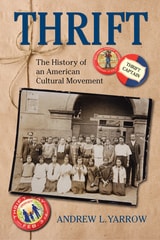
Thrift
The History of an American Cultural MovementAndrew L. Yarrow
University of Massachusetts Press, 2014
In this lively and engaging book, Andrew L. Yarrow tells the story of a national movement that promoted an amalgam of values and practices ranging from self-control, money management, and efficiency to conservation, generosity, and planning for the future—all under the rubric of “thrift.” Emerging in tandem and in tension with the first flowerings of consumer society, the thrift movement flourished during the 1910s and 1920s and then lingered on the outskirts of American culture from the Depression to the prosperous mid-twentieth century.
The movement brought together a diverse array of social actors with widely divergent agendas—the YMCA, the Boy and Girl Scouts, temperance crusaders, and others seeking to strengthen the moral fiber of urban young men and boys in particular, and to tamp down the appeal of radicalism. It also attracted credit union and other progressive activists wanting to empower the working class economically, bankers desiring to broaden their customer base, conservationists and efficiency proponents denouncing “waste,” and government leaders, school teachers, and economists who believed that encouraging saving was in the economic interests of both individuals and the nation.
A post–World War II culture that centered on spending and pleasure made the early-twentieth-century thrift messages seem outdated. Nonetheless, echoes of thrift can be found in currently popular ideas of “sustainability,” “stewardship,” and “simplicity” and in efforts to curtail public and private debt.