Results by title
2 books match the query 'We See'
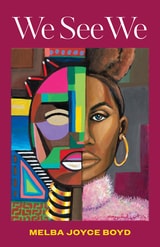
We See We
Melba Joyce Boyd
University of Michigan Press, 2027
Michigan poet laureate Melba Joyce Boyd’s tenth poetry collection, We See We, is a deeply emplaced volume, grounded in Boyd’s hometown of Detroit. The book takes its title from a poem in the collection dedicated to the late photographer, photojournalist, and filmmaker Hugh Grannum, who trained his camera on Black Detroit. Boyd takes a similar approach in this volume, collecting poems “about seeing our collective selves within our interconnected individual lives.” Divided into two sections—Inflexions and Elegies—the poems evoke Detroit’s past and present through works about Romare Bearden at the Detroit Institute of Arts, Idlewild, the 1967 Detroit Rebellion, Aretha Franklin, John Sinclair, and the varied lives of people Boyd knew and loved who demonstrate that you do not have to be famous to have historical impact. As former Michigan poet laureate Nandi Comer writes in the interview that concludes the volume, the poems in this collection are “filled with artists, friends, elders, and collaborators,” making the poems in the collection into “an education in Detroit’s artistic life.”
We See with the Skin
On Zora Neale Hurston's MethodologyRoshanak Kheshti
Duke University Press, 2026