Results by title
2 books match the query 'Weinberg, Winkler G.'
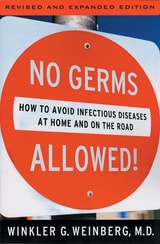
No Germs Allowed!
How to Avoid Infectious Diseases At Home and on the RoadWeinberg, Winkler G
Rutgers University Press, 1996
AIDS, tuberculosis, hepatitis, chickenpox, malaria, Lyme disease, salmonella, strep throat-no matter where you go or where you live, you are at risk from infectious disease. But there are ways you can protect yourself and your family!
The revised and expanded edition of this classic guide explains what you need to know to keep the germs away. From the infections of daily life, like the common cold and traveler's diarrhea, to dangerous, rare diseases such as plague, hantavirus, and invasive strep bacteria, to recent threats of mad cow disease, West Nile virus, SARS, and bioterrorism, this unique guide tells you:
- your chances of getting sick
- simple precautions you can take
- which vaccinations and shots are worthwhile
- how to avoid catching infections in the hospital
- special precautions to take if you are pregnant
- how to ward off infections even if you have chronic health problems or are HIV positive
- how to keep well while traveling
- what to eat-and not eat-on the road
- symptoms that signal trouble
- what illnesses you can get from bug bites and animals
- how to prevent sexually transmitted diseases
- who should get flu shots and why
- why you should see your doctor before you get sick
Dr. Winkler G. Weinberg lets you know what you need to worry about and what you don't.
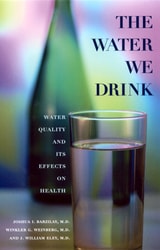
The Water We Drink
Water Quality and Its Effects on HealthJoshua I. Barzilay, M.D., Winkler G. Weinberg, M.D. and J.William Eley, M.D.
Rutgers University Press, 1999
We all drink water and water-based fluids, yet most of us take water for granted. We assume that when we turn on the tap to fill our glass, bathtub, or washing machine, clean water will flow. But is it really safe? And if it is not, what can we do about it? The doctors who have written The Water We Drink provide readers with practical information on the health issues relating to water quality and suggest ways we can improve the quality and safety of our drinking water.
Most of us do not realize that any small amount of contaminants found in drinking water may, over time, increase our susceptibility to many of the chronic illnesses that are becoming increasingly prevalent in our society as the population ages, illnesses such as Alzheimer’s disease and cancer. Contaminants have also been linked to increased rates of infertility.
TheWater We Drink begins with a review of the history of water, disease, and drinking water as it relates to disease and sanitation. The manner in which drinking water is currently regulated is described, along with information on water sources and treatment. The authors then examine health issues relating to drinking water, including infectious diseases, cancer risks, estrogens and fertility, and the effects of mineral and heavy metal content. They look at the benefits and risks of bottled waters and of water purification systems currently available to consumers.
The book also provides clear, understandable lists of contaminants levels in drinking water both regulated and unregulated by law, cancer causing contaminants of drinking water and their sources, and the mineral and sodium contents of commonly used bottled waters. A helpful glossary of terms, as well as a bibliography of additional agencies, books, and web sites to consult for more information on drinking water and health, are also provided.