Results by title
2 books match the query 'Wheelchair basketball'
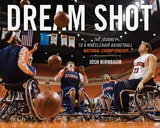
Dream Shot
The Journey to a Wheelchair Basketball National ChampionshipJosh Birnbaum
University of Illinois Press, 2017
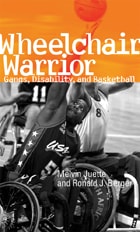
Wheelchair Warrior
Gangs, Disability, and BasketballMelvin Juette and Ronald J. Berger
Temple University Press, 2008
Melvin Juette has said that becoming paralyzed in a gang-related shooting was “both the worst and best thing that happened” to him. The incident, he believes, surely spared the then sixteen year-old African American from prison and/or an early death. It transformed him in other ways, too. He attended college and made wheelchair basketball his passion—ultimately becoming a star athlete and playing on the U.S. National Wheelchair Basketball Team.
In Wheelchair Warrior, Juette reconstructs the defining moments of his life with the assistance of sociologist Ronald Berger. His poignant memoir is bracketed by Berger’s thoughtful introduction and conclusion, which places this narrative of race, class, masculinity and identity into proper sociological context, showing how larger social structural forces defined his experiences. While Juette’s story never gives into despair, it does challenge the idea of the “supercrip.”