Results by title
5 books match the query 'Wire (Television program)'
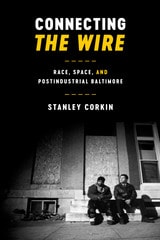
Connecting The Wire
Race, Space, and Postindustrial BaltimoreBy Stanley Corkin
University of Texas Press, 2017
Critically acclaimed as one of the best television shows ever produced, the HBO series The Wire (2002–2008) is a landmark event in television history, offering a raw and dramatically compelling vision of the teeming drug trade and the vitality of life in the abandoned spaces of the postindustrial United States. With a sprawling narrative that dramatizes the intersections of race, urban history, and the neoliberal moment, The Wire offers an intricate critique of a society riven by racism and inequality.
In Connecting The Wire, Stanley Corkin presents the first comprehensive, season-by-season analysis of the entire series. Focusing on the show’s depictions of the built environment of the city of Baltimore and the geographic dimensions of race and class, he analyzes how The Wire’s creator and showrunner, David Simon, uses the show to develop a social vision of its historical moment, as well as a device for critiquing many social “givens.” In The Wire’s gritty portrayals of drug dealers, cops, longshoremen, school officials and students, and members of the judicial system, Corkin maps a web of relationships and forces that define urban social life, and the lives of the urban underclass in particular, in the early twenty-first century. He makes a compelling case that, with its embedded history of race and race relations in the United States, The Wire is perhaps the most sustained and articulate exploration of urban life in contemporary popular culture.
New Television
The Aesthetics and Politics of a GenreMartin Shuster
University of Chicago Press, 2017
Philosopher Martin Shuster argues that television is the modern art form, full of promise and urgency, and in New Television, he offers a strong philosophical justification for its importance. Through careful analysis of shows including The Wire, Justified, and Weeds, among others; and European and Anglophone philosophers, such as Stanley Cavell, Hannah Arendt, Martin Heidegger, and John Rawls; Shuster reveals how various contemporary television series engage deeply with aesthetic and philosophical issues in modernism and modernity. What unifies the aesthetic and philosophical ambitions of new television is a commitment to portraying and exploring the family as the last site of political possibility in a world otherwise bereft of any other sources of traditional authority; consequently, at the heart of new television are profound political stakes.
On The Wire
Linda Williams
Duke University Press, 2014
The Moment of Racial Sight
A HistoryIrene Tucker
University of Chicago Press, 2012
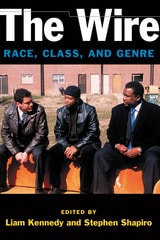
The Wire
Race, Class, and GenreEdited by Liam Kennedy and Stephen Shapiro
University of Michigan Press, 2012
Few other television series have received as much academic, media, and fan celebration as The Wire, which has been called the best dramatic series ever created. The show depicts the conflict between Baltimore's police and criminals to raise a warning about race; drug war policing; deindustrialization; and the inadequacies of America’s civic, educational, and political institutions. The show's unflinching explorations of a city in crisis and its nuanced portrayals of those affected make it a show all about race and class in America.
The essays in this volume offer a range of astute critical responses to this television phenomenon. More consistently than any other crime show of its generation, The Wire challenges viewers' perceptions of the racialization of urban space and the media conventions that support this. The Wire reminds us of just how remarkably restricted the grammar of race is on American television and related media, and of the normative codings of race---as identity, as landscape---across urban narratives, from documentary to entertainment media.