Results by title
3 books match the query 'Zombies in motion pictures'
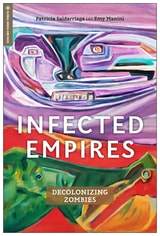
Infected Empires
Decolonizing ZombiesPatricia Saldarriaga
Rutgers University Press, 2022
Studying films from around the world, including Latin America, Asia, Africa, the US, and Europe, Infected Empires presents a vision of a global zombie that points toward a posthuman and feminist future.
Given the current moment—polarized populations, increasing climate fears, and decline of supranational institutions in favor of a rising tide of nationalisms—it is easy to understand the proliferation of apocalyptic and dystopian elements in popular culture. Infected Empires examines one of the most popular figures in contemporary apocalyptic film: the zombie. This harbinger of apocalypse reveals bloody truths about the human condition, the wounds of history, and methods of contending with them.
Infected Empires considers parallels in the zombie genre to historical and current events on different political, theological and philosophical levels, and proposes that the zombie can be read as a figure of decolonization and an allegory of resistance to oppressive structures that racialize, marginalize, disable, and dispose of bodies.
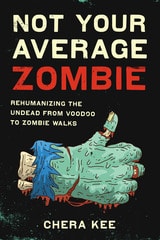
Not Your Average Zombie
Rehumanizing the Undead from Voodoo to Zombie WalksBy Chera Kee
University of Texas Press, 2017
The zombie apocalypse hasn’t happened—yet—but zombies are all over popular culture. From movies and TV shows to video games and zombie walks, the undead stalk through our collective fantasies. What is it about zombies that exerts such a powerful fascination? In Not Your Average Zombie, Chera Kee offers an innovative answer by looking at zombies that don’t conform to the stereotypes of mindless slaves or flesh-eating cannibals. Zombies who think, who speak, and who feel love can be sympathetic and even politically powerful, she asserts.
Kee analyzes zombies in popular culture from 1930s depictions of zombies in voodoo rituals to contemporary film and television, comic books, video games, and fan practices such as zombie walks. She discusses how the zombie has embodied our fears of losing the self through slavery and cannibalism and shows how “extra-ordinary” zombies defy that loss of free will by refusing to be dehumanized. By challenging their masters, falling in love, and leading rebellions, “extra-ordinary” zombies become figures of liberation and resistance. Kee also thoroughly investigates how representations of racial and gendered identities in zombie texts offer opportunities for living people to gain agency over their lives. Not Your Average Zombie thus deepens and broadens our understanding of how media producers and consumers take up and use these undead figures to make political interventions in the world of the living.
Zombie Cinema
Olney, Ian
Rutgers University Press, 2017
Zombie Cinema is a lively and accessible introduction to this massively popular genre. Presenting a historical overview of zombie appearances in cinema and on television, Ian Olney also considers why, more than any other horror movie monster, zombies have captured the imagination of twenty-first-century audiences.
Surveying the landmarks of zombie film and TV, from White Zombie to The Walking Dead, the book also offers unique insight into why zombies have gone global, spreading well beyond the borders of American and European cinema to turn up in films from countries as far-flung as Cuba, India, Japan, New Zealand, and Nigeria. Both fun and thought-provoking, Zombie Cinema will give readers a new perspective on our ravenous hunger for the living dead.