Cloth: 978-0-8101-4777-5 | Paper: 978-0-8101-4776-8 | eISBN: 978-0-8101-4778-2
Library of Congress Classification PQ3982
Dewey Decimal Classification 841.009961
Engaging the poetic to expand our imagination of Maghrebi literature in French
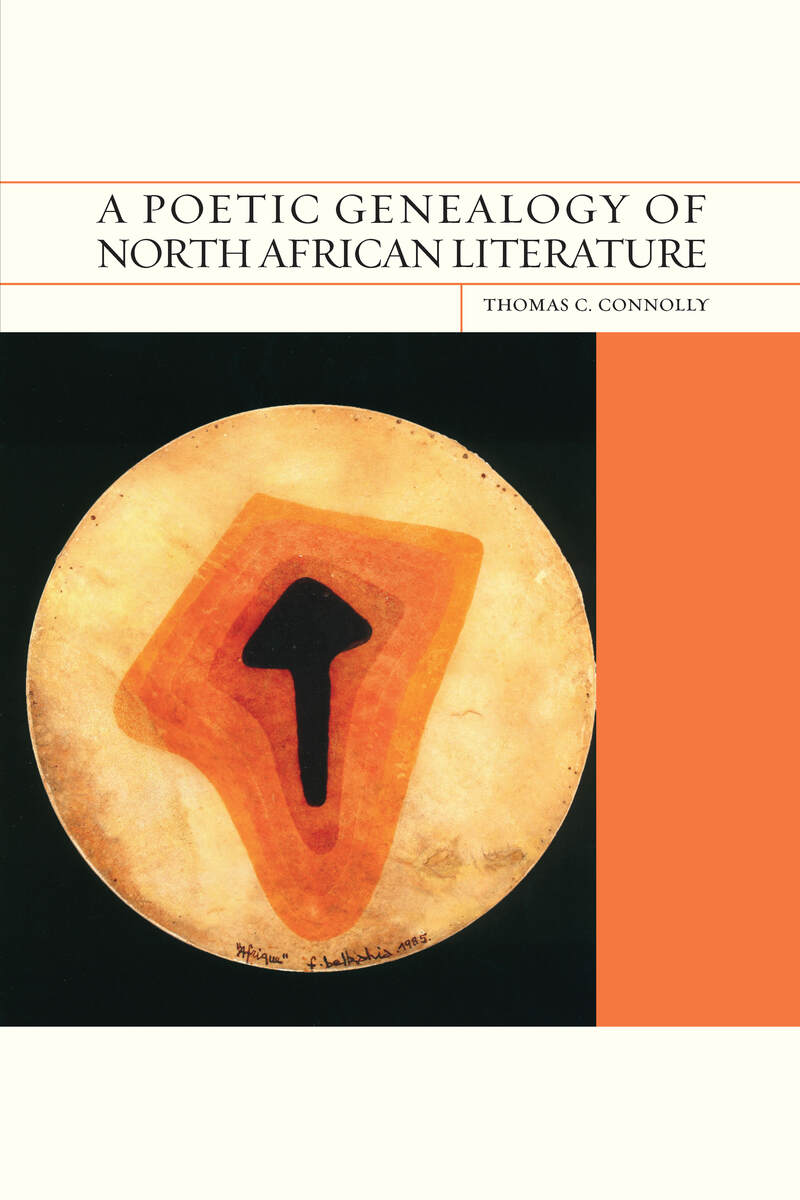
Poetry, as the Moroccan writer Abdelkébir Khatibi describes it, is a form of dissymmetry that exposes readers to the unexpected, and to the possibility of a transformative encounter with the text. Drawing on literary, philosophical, theoretical, and theological texts in multiple languages and scripts, as well as on the visual arts, Thomas C. Connolly delves into the poetic works of Khatibi and six other major Maghrebi authors—Jean Amrouche, Tahar Djaout, Nabile Farès, Mohammed Khaïr-Eddine, Abdelwahab Meddeb, and Jean Sénac—as well as the French poet Arthur Rimbaud, to think anew about the origins and legacy of Francophone poetry in the Maghreb. Instead of turning away from the poetic when it becomes indecipherable, A Poetic Genealogy of North African Literature engages poetic texts on their own terms, allowing them to dictate the search for meaning, thereby expanding our understanding of what Maghrebi literature in French was, is, and might become.
See other books on: Africa, North | Comparative Literature | French poetry | Historical Events | Middle Eastern
See other titles from Northwestern University Press