Paper: 978-1-55849-203-5 | eISBN: 978-1-68575-256-9 (PDF)
A CHOICE Outstanding Academic Book
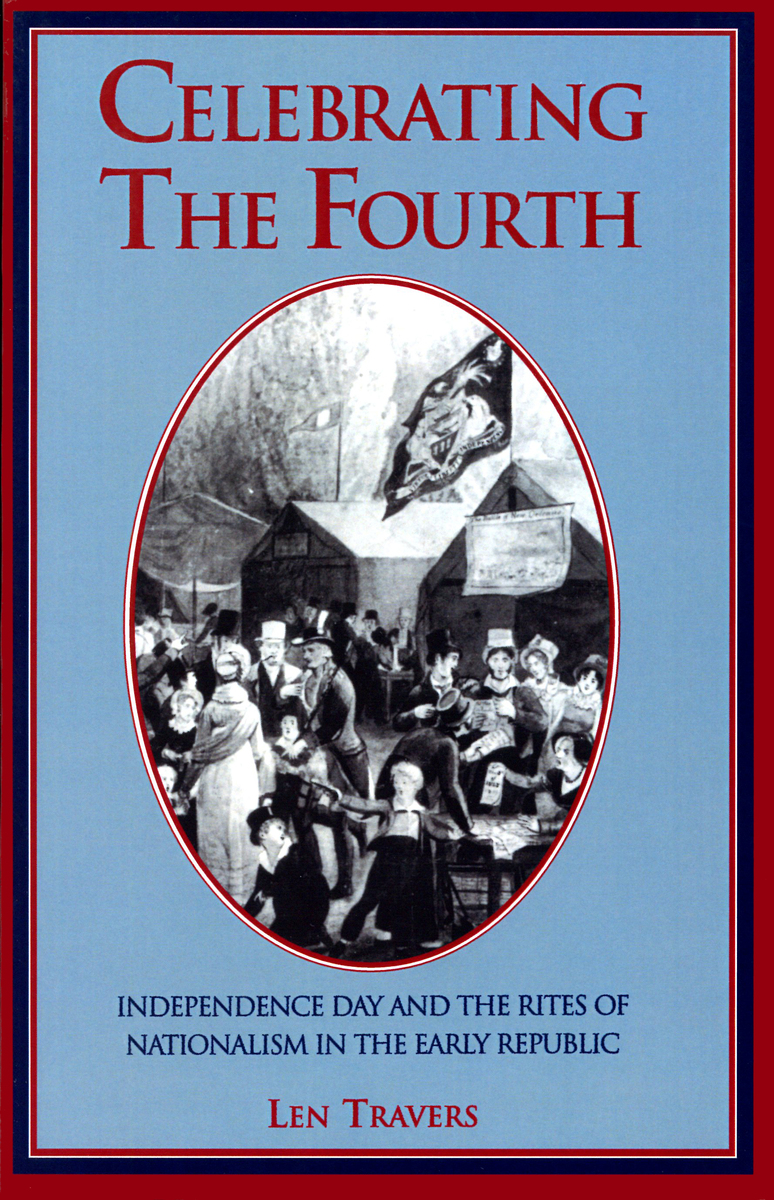
Public rituals have always held a vital place in American culture. By far the noisiest and most popular of these to emerge in the nation's early years was Independence Day. After a decade of fitful starts, the Fourth of July eclipsed local and regional patriotic observances to become the premier “American Jubilee.” Celebrating the Fourth provides a history of this holiday and explores its role in shaping a national identity and consciousness in three cities—Boston, Charleston, and Philadelphia—during the first fifty years of the American republic. Independence Day celebrations justified, validated, and helped maintain nationalism among people unused to offering political allegiance beyond their own state borders. As the observances became increasingly popular and symbolically important, political partisans competed hotly for the right to control the meaning of the festivals.
See other books on: Celebrating | Customs & Traditions | Early Republic | Holidays (non-religious) | Rites
See other titles from University of Massachusetts Press