eISBN: 978-1-68575-819-6 (ePub) | eISBN: 978-1-68575-820-2 (PDF)
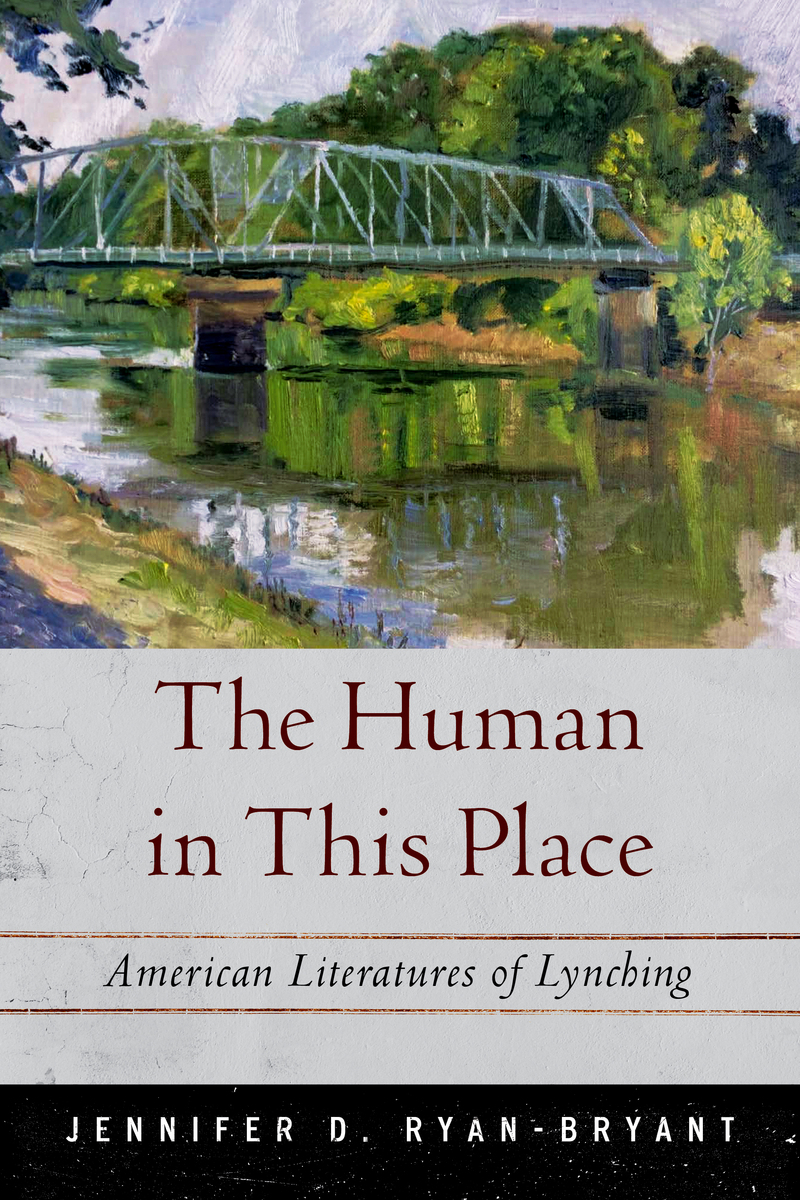
Tracing how resistance to lynching violence generated some of the most innovative writing in American literature
On March 9, 1892, three Black men were murdered in Memphis. The violence moved Ida B. Wells to begin writing against lynching; in doing so, she helped ignite a literary tradition that would transform American literature. The dual presence of lynching violence and activist resistance gave rise to a dynamic body of African American writing that grapples with the contradictions inherent to a democracy whose citizens enslaved others.
In The Human in This Place, Jennifer Ryan-Bryant ties central moments in the history of American lynching to the emergence of new literary genres. Focusing on Jim Crow segregation, anti-lynching activism, the murder of Emmett Till, Civil Rights and Black Power organizing, and modern police brutality, Ryan-Bryant identifies the unique formal elements and themes that characterize literary responses to sustained social violence and political resistance. The new genres she identifies—including the socialist novel, the Emmett Till poem, and the anti-epic catalogue—reveal art's resistance and response to unchecked mob violence.
The Human in This Place recognizes that lynchings occupy a uniquely disturbing space in American life: simultaneously legal and extralegal, public and private, individual and communal. The literatures of lynching investigate the ethical slippage endemic to American national identity and articulate the joyous expression that resistance makes possible.
See other books on: African American & Black | Human | Lynching | Race & Ethnic Relations | This Place
See other titles from University of Massachusetts Press