
 A SCHOLARLY BOOK REPOSITORY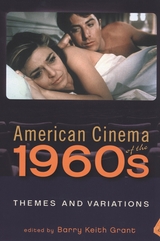
At the same time, American cinema underwent radical change as well. The studio system crumbled, and the Production Code was replaced by a new ratings system. Among the challenges faced by the film industry was the dawning shift in theatrical exhibition from urban centers to surburban multiplexes, an increase in runaway productions, the rise of independent producers, and competition from both television and foreign art films. Hollywood movies became more cynical, violent, and sexually explicit, reflecting the changing values of the time.
In ten original essays, American Cinema of the 1960s examines a range of films that characterized the decade, including Hollywood movies, documentaries, and independent and experimental films. Among the films discussed are Elmer Gantry, The Apartment, West Side Story, The Manchurian Candidate, To Kill a Mockingbird, Cape Fear, Bonnie and Clyde, 2001: A Space Odyssey, Midnight Cowboy, and Easy Rider.
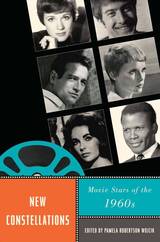
American culture changed radically over the course of the 1960s, and the culture of Hollywood was no exception. The film industry began the decade confidently churning out epic spectacles and lavish musicals, but became flummoxed as new aesthetics and modes of production emerged, and low-budget youth pictures like Easy Rider became commercial hits.
New Constellations: Movie Stars of the 1960s tells the story of the final glory days of the studio system and changing conceptions of stardom, considering such Hollywood icons as Elizabeth Taylor and Paul Newman alongside such hallmarks of youth culture as Mia Farrow and Dustin Hoffman. Others, like Sidney Poitier and Peter Sellers, took advantage of the developing independent and international film markets to craft truly groundbreaking screen personae. And some were simply “famous for being famous,” with celebrities like Zsa Zsa Gabor and Edie Sedgwick paving the way for today’s reality stars.

Silent film is more than just a cinema of firsts, greats, or classics. It is a cinema of experimentation, ambition, and connection. To watch a silent film is to be transported into another world. A Silent Film Companion seeks to broaden the silent film canon by focusing on compelling non-canonical films from around the globe to provide a fresh perspective and new view of silent cinema. With over 50 films discussed, this volume captures just a sliver of the many delights silent cinema has to offer. The book encourages discovery, and rediscovery, of the world of silent cinema: one where the movies were still young, full of possibility, eager to entice others to take part in a wonderful adventure. Films covered are from fourteen countries, including Brazil, Mexico, China, Cuba, India, Italy, and Russia, and representing a diversity of subjects. Chapters provide historical and cultural context to each film, the filmmakers, and a concise analysis of each film. A Silent Film Companion is a guidebook to the many pleasures of silent cinema, allowing you to see and understand diverse perspectives. It is a must read for students and fans of silent cinema interested in seeing a side of silent cinema that is rarely explored.
READERS
Browse our collection.
PUBLISHERS
See BiblioVault's publisher services.
STUDENT SERVICES
Files for college accessibility offices.
RECENTLY PUBLISHED




UChicago Accessibility Resources
home | accessibility | search | about | contact us
BiblioVault ® 2001 - 2026
The University of Chicago Press