
 A SCHOLARLY BOOK REPOSITORY
10 start with B start with B

It is not a coincidence that Balzac was the first in French literature to tackle this appetizing topic. Before the French Revolution, a traveller in France was apt to find local food scarce, tasteless and of dubious appearance. Restaurants did not even exist! Just as the art of the table became a centrepiece of French mores, Balzac used it as a connecting thread in his novels, showing how food can evoke character, atmosphere, class and social pretensions. Full of insights, Balzac’s Omelette invites you to taste anew French literature and cuisine.
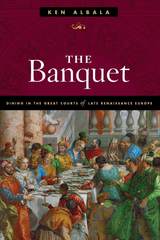
In The Banquet, Ken Albala covers the transitional period between the heavily spiced and colored cuisine of the Middle Ages and classical French haute cuisine. This development involved increasing use of dairy products, a move toward lighter meats such as veal and chicken, increasing identification of national food customs, more sweetness and aromatics, and a refined aesthetic sense, surprisingly in line with the late-Renaissance styles found in other arts.
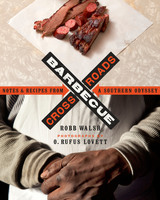
In stories, recipes, and photographs, James Beard Award–winning writer Robb Walsh and acclaimed documentary photographer O. Rufus Lovett take us on a barbecue odyssey from East Texas to the Carolinas and back. In Barbecue Crossroads, we meet the pitmasters who still use old-fashioned wood-fired pits, and we sample some of their succulent pork shoulders, whole hogs, savory beef, sausage, mutton, and even some barbecued baloney. Recipes for these and the side dishes, sauces, and desserts that come with them are painstakingly recorded and tested.
But Barbecue Crossroads is more than a cookbook; it is a trip back to the roots of our oldest artisan food tradition and a look at how Southern culture is changing. Walsh and Lovett trace the lineage of Southern barbecue backwards through time as they travel across a part of the country where slow-cooked meat has long been part of everyday life. What they find is not one story, but many. They visit legendary joints that don’t live up to their reputations—and discover unknown places that deserve more attention. They tell us why the corporatizing of agriculture is making it difficult for pitmasters to afford hickory wood or find whole hogs that fit on a pit.
Walsh and Lovett also remind us of myriad ways that race weaves in and out of the barbecue story, from African American cooking techniques and recipes to the tastes of migrant farmworkers who ate their barbecue in meat markets, gas stations, and convenience stores because they weren’t welcome in restaurants. The authors also expose the ways that barbecue competitions and TV shows are undermining traditional barbecue culture. And they predict that the revival of the community barbecue tradition may well be its salvation.

The definitive history of an iconic American food, with new chapters, sidebars, and updated historical accounts.
Expert Robert F. Moss researched hundreds of sources—newspapers, letters, journals, diaries, and travel narratives—to document the origins and evolution of barbecue from its origins among Native Americans to its present status as an icon of American culture. In this definitive guide, he maps out the development of the rich array of regional barbecue styles, chronicles the rise of barbecue restaurants, and profiles the famed pitmasters who made the tradition what it is today.
Barbecue is the story not just of a dish but also of a social institution that helped shape many regional cultures of the United States. The history begins with British colonists’ adoption of barbecuing techniques from Native Americans in the 17th and 18th centuries, moves to barbecue’s establishment as the preeminent form of public celebration in the 19th century, and is carried through to barbecue’s ubiquitous standing today.
From the very beginning, barbecues were powerful social magnets, drawing together people from a wide range of classes and geographic backgrounds. Barbecue played a key role in three centuries of American history, both reflecting and influencing the direction of an evolving society. By tracing the story of barbecue from its origins to today, Barbecue: The History of an American Institution traces the very thread of American social history.
Moss has made significant updates in this new edition, offering a wealth of new historical research, sources, illustrations, and anecdotes.


To thoroughly research this book, Heather Kerrigan undertook a twenty-six-hundred-mile road trip crisscrossing the Badger State, seeking the hidden gems that locals frequent. She visited Wisconsin’s best restaurants, creameries, breweries, butcher shops, and cheesemongers. In Beer, Brats, and Cheese, Kerrigan highlights the innovative flavors and unexpected delights found in these spots. Great beer isn’t made only in Milwaukee, Sheboygan doesn’t have a lock on the best bratwurst, and excellent cheeses don’t just come from Monroe County. In fact, there are towns large and small, from the far north to the Illinois border, from Door County to the Mississippi River, that contribute to the state’s amazing culinary experiences.
Whether you’re planning a bite-by-bite day trip or simply looking for a great place to eat or drink near home, this guide has you covered.
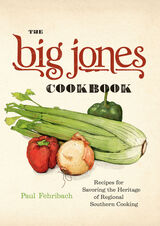
You expect to hear about restaurant kitchens in Charleston, New Orleans, or Memphis perfecting plates of the finest southern cuisine—from hearty red beans and rice to stewed okra to crispy fried chicken. But who would guess that one of the most innovative chefs cooking heirloom regional southern food is based not in the heart of biscuit country, but in the grain-fed Midwest—in Chicago, no less? Since 2008, chef Paul Fehribach has been introducing Chicagoans to the delectable pleasures of Lowcountry cuisine, while his restaurant Big Jones has become a home away from home for the city’s southern diaspora. From its inception, Big Jones has focused on cooking with local and sustainably grown heirloom crops and heritage livestock, reinvigorating southern cooking through meticulous technique and the unique perspective of its Midwest location. And with The Big Jones Cookbook, Fehribach brings the rich stories and traditions of regional southern food to kitchens everywhere.
Fehribach interweaves personal experience, historical knowledge, and culinary creativity, all while offering tried-and-true takes on everything from Reezy-Peezy to Gumbo Ya-Ya, Chicken and Dumplings, and Crispy Catfish. Fehribach’s dishes reflect his careful attention to historical and culinary detail, and many recipes are accompanied by insights about their origins. In addition to the regional chapters, the cookbook features sections on breads, from sweet potato biscuits to spoonbread; pantry put-ups like bread and butter pickles and chow-chow; cocktails, such as the sazerac; desserts, including Sea Island benne cake; as well as an extensive section on snout-to-tail cooking, including homemade Andouille and pickled pigs’ feet.
Proof that you need not possess a thick southern drawl to appreciate the comfort of creamy grits and the skill of perfectly fried green tomatoes, The Big Jones Cookbook will be something to savor regardless of where you set your table.

The daughter of the first Kpelle man to ever leave his native village and emigrate to Europe, Anna is proud of her heritage but only knows Liberia as a mystical, faraway land that appears in her parents’ stories. Though Italy is the only homeland she knows, she is merely classed as a resident, not a permanent citizen. At school and in the streets of Rome, she is treated to a mixture of patronizing condescension and xenophobic hostility. But Anna refuses to be bullied into mute submission, finding her voice as a performer and activist who demands recognition for Italy’s growing immigrant population.
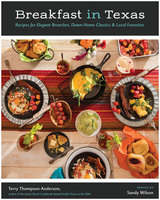
Texans love the morning meal, whether it’s bacon and eggs (often eaten in a breakfast taco) or something as distinctively nontraditional as saag paneer omelets, pon haus, or goat curry. A Lone Star breakfast can be a time for eating healthy, or for indulging in decadent food and drink. And with Texas’s rich regional and cultural diversity, an amazing variety of dishes graces the state’s breakfast and brunch tables. The first Texas cookbook dedicated exclusively to the morning meal, Breakfast in Texas gathers nearly one hundred recipes that range from perfectly prepared classics to the breakfast foods of our regional cuisines (Southern, Mexican, German, Czech, Indian, and Asian among them) to stand-out dishes from the state’s established and rising chefs and restaurants.
Terry Thompson-Anderson organizes the book into sections that cover breakfast and brunch libations (with and without alcohol); simple, classic, and fancy egg presentations; pancakes, French toast, and waffles; meat lover’s dishes; seafood and shellfish; vegan dishes and sides; and pastries. The recipes reference locally sourced ingredients whenever possible, and Thompson-Anderson provides enjoyable notes about the chefs who created them or the cultural history they represent. She also offers an expert primer on cooking eggs, featuring an encounter with Julia Child, as well as a selection of theme brunches (the boozy brunch, the make-ahead brunch, New Year’s Day brunch, Mother’s Day brunch with seasonal ingredients, teenage daughter’s post-slumber party breakfast, and more). Sandy Wilson’s color photographs of many of the dishes and the chefs and restaurants who serve them provide a lovely visual counterpoint to the appetizing text.

—David Krasner, author of A Beautiful Pageant: African American Theatre, Drama, and Performance in the Harlem Renaissance, 1910-1927
READERS
Browse our collection.
PUBLISHERS
See BiblioVault's publisher services.
STUDENT SERVICES
Files for college accessibility offices.
RECENTLY PUBLISHED







UChicago Accessibility Resources
home | accessibility | search | about | contact us
BiblioVault ® 2001 - 2026
The University of Chicago Press