
 A SCHOLARLY BOOK REPOSITORY
4 start with J start with J
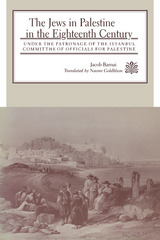
Research reveals a clear connection between the legal and social status of the Jews in Palestine in the 18th century and their ties with the Diaspora. The Jews who had immigrated to Palestine in that period were mostly poor and elderly. The country was economically backward and politically unstable, which made it impossible for the immigrants to support themselves through productive work. Therefore they lived off the contributions of their brethren overseas. Taxes and fees imposed by the Ottoman rulers increased the financial desperation of the Jews in Palestine. Prohibitions against young unmarried immigrant men and women made for an unstable population largely of old men, many of whom died shortly after immigrating. Families succumbed to disease, earthquakes, and famine, but in the face of these problems, the Jewish communities in Palestine persevered.
Investigate a relatively neglected but momentous period in Judean history
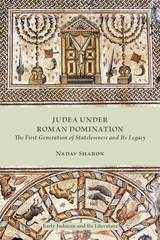
Nadav Sharon closely examines a critical period in Judean history, which saw the end of the Hasmonean dynasty and the beginning of Roman domination of Judea leading up to the kingship of Herod (67-37 BCE). In this period renowned Roman figures such as Pompey the Great, Julius Caesar, Gaius Cassius (a conspirator against Caesar), and Mark Anthony, led the Roman Republic on the eve of its transformation into an Empire, each having his own dealings with—and holding sway over—Judea at different times. This volume explores the impact of the Roman conquest on the authors of the Dead Sea Scrolls, enhances the understanding of later Judean-Roman relations and the roots of the Great Revolt, and examines how this early period of Roman domination had on impact on later developments in Judean society and religion.
Features:
- Part one dedicating to reconstructing Judean history from the death of Alexander to the reign of King Herod
- Part two examining the effects of Roman domination on Judean society
- Maps, illustrations, and appendices
READERS
Browse our collection.
PUBLISHERS
See BiblioVault's publisher services.
STUDENT SERVICES
Files for college accessibility offices.
RECENTLY PUBLISHED





UChicago Accessibility Resources
home | accessibility | search | about | contact us
BiblioVault ® 2001 - 2026
The University of Chicago Press