
 A SCHOLARLY BOOK REPOSITORY
3 start with K start with K
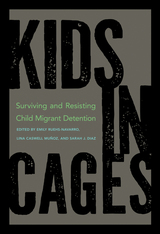
In recent years, the plight of immigrant children has been in the national spotlight. A primary issue of concern is the experience of child migrants in detention by the U.S. government.
The authors in this volume approach the topic of child migrant detention from a range of perspectives. Some authors, particularly those who provide a legal perspective, chronicle the harms of detention, arguing that despite governmental assurances of child protection, detention is fundamentally a state-sanctioned form of violence. The social scientists in the volume have worked closely with detained youth themselves; in these chapters, authors highlight the ways in which youth survive detention, often through everyday acts of resistance and through the formation of temporary relationships. Practitioners including psychologists, activists, and faith leaders look at forms of resistance to detention. From retheorizing psychological interventions for detained youth to forming hospitality homes that act as alternatives to detention, these practitioners highlight ways forward for advocates of youth. At the heart of these narratives lies a crucial debate: the tension between harm-reduction strategies and abolition.
This interdisciplinary work brings together voices from the legal realm, the academic world, and the on-the-ground experiences of activists and practitioners.
Contributors
Stella Akello
Jessica Alaniz
Aireen Grace Andal
Samuel Arroyo
Corey Brost
Lina Caswell Muñoz
Marisa Chumil
Patricia Crowley
Iman Dadras
Sarah J. Diaz
Sandra Espinoza
Jacqueline Florian
Michael Gosch
Darlene Gramigna
Lisa Jacobs
Katherine Kaufka Walts
Corinne Kentor
Jenn M. Lilly
Kathlyn Mulcahy
Jennifer Nagda
Vida Opoku
Silvia Rodriguez Vega
Emily Ruehs-Navarro
Herlin Soto-Matute
Luis Edward Tenorio
Jajah Wu
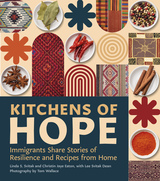
Culinary journeys from around the globe: recipes and stories from immigrants to the United States
Immigrants carry more than hope as they cross oceans and traverse continents to come to the United States. They hold tightly to stories and recipes, remembrances of what they left behind. Kitchens of Hope brings together these memories from contributors who hail from more than thirty countries, offering a glimpse into their kitchens and insight into their lives. This book is a celebration of people and cuisines from around the world, infused with the aromas of epazote and cardamom, the tang of fish sauce, the heat of chile peppers, and the bite of mustard greens.
With tales as compelling as the brimming bowls and overflowing platters of these foods that represent home, Kitchens of Hope features immigrants coming from vastly varied circumstances. Some arrived in the United States fleeing war and violence, others were seeking education and opportunity; some have called the United States home for years, and others have only recently arrived. Despite the differing situations that brought them here, the contributors all find comfort and tradition as they gather to share meals with family and friends. They are activists and entrepreneurs, parents and community leaders, and some are affiliated with the Minnesota-based nonprofit the Advocates for Human Rights, the organization that inspired the creation of this book.
Structured around the contributors’ personal stories of their journeys, the chapters reflect the main themes connecting them: community, resilience, opportunity, justice, hope, and celebration. In these pages, readers will find inspiration, along with more than fifty recipes, from curry, mole, biryani, and borscht, to pita, pho, sambusa, pupusas, and so much more. Welcome to the Kitchens of Hope table.
READERS
Browse our collection.
PUBLISHERS
See BiblioVault's publisher services.
STUDENT SERVICES
Files for college accessibility offices.
RECENTLY PUBLISHED






UChicago Accessibility Resources
home | accessibility | search | about | contact us
BiblioVault ® 2001 - 2026
The University of Chicago Press