
 A SCHOLARLY BOOK REPOSITORY
4 start with N start with N
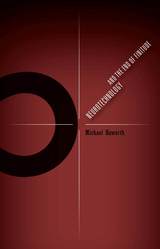
A bold philosophical investigation into technology and the limits of the human
A daring, original work of philosophical speculation, Neurotechnology and the End of Finitude mounts a sustained investigation into the possibility that human beings may technologically overcome the transcendental limits of possible experience and envisages what such a transition would look like. Focusing on emergent neurotechnologies, which establish a direct channel of communication between brain and machine, Michael Haworth argues that such technologies intervene at the border between interiority and exteriority, offering the promise of immediacy and the possibility of the mind directly affecting the outside world or even other minds.
Through detailed, targeted readings of Kant, Freud, Heidegger, Croce, Jung, and Derrida, Haworth explores the effect of this transformation on human creativity and our relationships with others. He pursues these questions across four distinct but interrelated spheres: the act of artistic creation and the potential for a technologically enabled coincidence of idea and object; the possibility of humanity achieving the infinite creativity that Kant attributed only to God; the relationship between the psyche and the external world in Freudian psychoanalysis and Jungian analytical psychology; and the viability and impact of techno-telepathic communication.
Addressing readers interested in contemporary continental philosophy and philosophy of technology, media and communications, and science and technology studies, Neurotechnology and the End of Finitude critically envisions a plausible posthuman future.
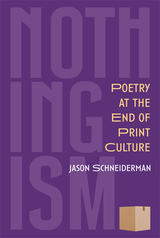
In this collection, the essays range from blistering manifesto to deep historical dives to gentle classroom guidance to considerations of the poems of James Merrill and Agha Shahid Ali, moving between the theoretical and the practical. Nothingism is both deeply personal and highly erudite, providing an engaging and scholarly account of reading, writing, and teaching poetry as our world continues its unsupervised lurch toward digital culture.
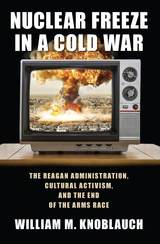
Alarmed, the Reagan administration worked to co-opt the rhetoric of the nuclear freeze and contain antinuclear activism. Recently declassified White House memoranda reveal a concerted campaign to defeat activists' efforts. In this book, William M. Knoblauch examines these new sources, as well as the influence of notable personalities like Carl Sagan and popular culture such as the film The Day After, to demonstrate how cultural activism ultimately influenced the administration's shift in rhetoric and, in time, its stance on the arms race.
READERS
Browse our collection.
PUBLISHERS
See BiblioVault's publisher services.
STUDENT SERVICES
Files for college accessibility offices.
RECENTLY PUBLISHED







UChicago Accessibility Resources
home | accessibility | search | about | contact us
BiblioVault ® 2001 - 2025
The University of Chicago Press