
 A SCHOLARLY BOOK REPOSITORY
4 start with R start with R

A personal guide to the transformations, hard truths, profound pleasures, and infinite possibilities of aging
One May morning shortly before her seventy-fifth birthday, Andrea Gilats awoke to a startling, sudden spike in consciousness that she was about to leap from older to old. Radical Endurance is the story of the reckoning that followed, a candid, clear-eyed journey of discovery through the pitfalls and possibilities of aging. Facing the realities of her age, Gilats explores her fears of failing health and loss of independence while navigating the terrain of an ageist culture. But among such troubling uncertainties, she also encounters the singular pleasures of “growing up again,” of finding fresh and unexpected ways of understanding herself and making meaning during this new era of her life.
Reflecting on moments in midlife, from the painful adjustments of widowhood to life-altering medical diagnoses, Gilats arrives at a valuable insight: the journey toward old age begins sooner and lasts longer than we might imagine. Yet from any moment in this process, old age is the future, brimming with potential. In her account, Gilats combines personal and professional experience, offering firsthand knowledge of a stage of life that we each meet in our own time, in our own way. She also contributes the learning and wisdom of her heroes and mentors, including feminist author Barbara Ehrenreich, poet May Sarton, singer and activist Joan Baez, psychiatrist Gene Cohen, archaeologist Arthur C. Parker, physician Jane Hodgson, and Nobel literature laureate Isaac Bashevis Singer.
Enlightening and deeply moving, alive to the sadness and joy of time passing, Radical Endurance is a guide and a companion through the experience of growing old as well as an unconventional coming-of-age story, celebrating a new stage of life when we need it most.
Retail e-book files for this title are screen-reader friendly.
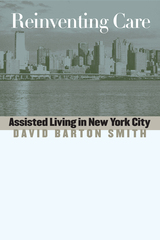
In Reinventing Care, David Barton Smith offers brilliant insights into those questions by examining the realities of assisted living in New York City. Encompassing the largest, most concentrated population of elderly in the United States, New York spends more per person caring for its seniors than any other urban center. Yet, while the size of the city's care system boggles the mind, it nevertheless contains the same elements that exist in other metropolitan areas and thus provides valuable lessons for the nation as a whole.
Smith's study draws on twenty-five years of research, including hundreds of interviews and visits to representative facilities. He provides a succinct overview of how care is presently organized for New York's aging population and traces the history of the system up to the present. Among the key issues he addresses are the role of market forces and government regulation, the impact of class differences on access to quality care, and the ways in which perceptions of community affect the creation and management of assisted living programs. At the heart of the book are ten fascinating case studies, half of them focused on private-pay facilities and the other half on public-pay institutions.
While finding that the actualities of assisted living rarely match the rhetoric of its proponents, Smith sees much to admire in its goals. He suggests tactics and strategies--such as promoting family- and community-based models of assisted living and adopting a standard of licensure for certain facilities--that could point the way to a better future.
While choices about when to retire are made by individuals, these decisions are influenced by a set of incentives, including retirement benefits and health care, and this volume includes cross-national analyses of the effects of such programs on these decisions. Furthermore, the volume also offers in-depth analysis of the effects of retirement plans, employer contributions, and housing prices on retirement. It explores well-established relationships among economic circumstances, health, and mortality, as well as the effects of poverty and lower levels of economic development on health and life satisfaction. By combining micro and macro evidence, this volume continues a tradition of expanding the research agenda on the economics of aging.
READERS
Browse our collection.
PUBLISHERS
See BiblioVault's publisher services.
STUDENT SERVICES
Files for college accessibility offices.
RECENTLY PUBLISHED





UChicago Accessibility Resources
home | accessibility | search | about | contact us
BiblioVault ® 2001 - 2025
The University of Chicago Press