
 A SCHOLARLY BOOK REPOSITORY
6 start with V start with V
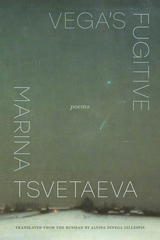
An incandescent new collected translation of virtuosic Russian poet Marina Tsvetaeva
Marina Tsvetaeva needs no introduction—a poetic genius, she is one of the most gifted and original poets in the Russian literary canon. All the verse genres Tsvetaeva employed, including lyric poems, poetic cycles, and long narrative poems, are represented here, in Vega’s Fugitive, translated by award-winning translator and Tsvetaeva scholar Alyssa Dinega Gillespie. Tsvetaeva’s poems, some never-before translated, appear in potent English versions that are both highly faithful to the originals and lyrical in their own right. As a result, Tsvetaeva’s verse—with its driving rhythms, striking sound plays, and searing insights—is reborn in a new language and new constellations of meaning. These poems dive fearlessly into themes of place, time, and distance; the female body; the poet’s fate; desire and longing; grief, loss, and immortality. Vega’s Fugitive makes Tsvetaeva’s masterful work not just accessible, but unforgettable for English-language readers around the world.

This book seeks to reformulate the canon of writings on what is called “the Viet Nam War” in America and “the American War” in Viet Nam. Until recently, the accepted canon has consisted almost exclusively of American white male combat narratives, which often reflect and perpetuate Asian stereotypes. Renny Christopher introduces material that displays a bicultural perspective, including works by Vietnamese exile writers and by lesser-known Euro-Americans who attempt to bridge the cultural gap.
Christopher traces the history of American stereotyping of Asians and shows how Euro-American ethnocentricity has limited most American authors' ability to represent fairly the Vietnamese in their stories. By giving us access to Vietnamese representations of the war, she creates a context for understanding the way the war was experienced from the “other” side, and she offers perceptive, well-documented analyses of how and why Americans have so emphatically excised the Vietnamese from narratives about a war fought in their own country.
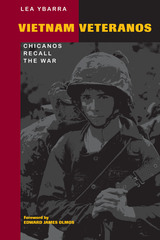
One of the most decorated groups that served in the Vietnam War, Chicanos fought and died in numbers well out of proportion to their percentage of the United States' population. Yet despite this, their wartime experiences have never received much attention in either popular media or scholarly studies. To spotlight and preserve some of their stories, this book presents substantial interviews with Chicano Vietnam veterans and their families that explore the men's experiences in combat, the war's effects on the Chicano community, and the veterans' postwar lives.
Lea Ybarra groups the interviews topically to bring out different aspects of the Chicano vets' experiences. In addition to discussing their involvement in and views on the Vietnam War, the veterans also reflect on their place in American society, American foreign policy, and the value of war. Veterans from several states and different socioeconomic classes give the book a broad-based perspective, which Ybarra frames with sociological material on the war and its impact on Chicanos.
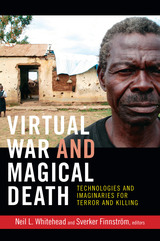
Another significant focus of the collection is the U.S. military's exploitation of ethnographic research, particularly through its controversial Human Terrain Systems (HTS) Program, which embeds anthropologists as cultural experts in military units. Several pieces address the ethical dilemmas that HTS and other counterinsurgency projects pose for anthropologists. Other essays reveal the relatively small scale of those programs in relation to the military's broader use of, and ambitions for, social scientific data.
Contributors. Robertson Allen, Brian Ferguson, Sverker Finnström, Roberto J. González, David H. Price, Antonius Robben, Victoria Sanford, Jeffrey Sluka, Koen Stroeken, Matthew Sumera, Neil L. Whitehead

READERS
Browse our collection.
PUBLISHERS
See BiblioVault's publisher services.
STUDENT SERVICES
Files for college accessibility offices.
RECENTLY PUBLISHED




UChicago Accessibility Resources
home | accessibility | search | about | contact us
BiblioVault ® 2001 - 2026
The University of Chicago Press