
 A SCHOLARLY BOOK REPOSITORY
8 start with T start with T
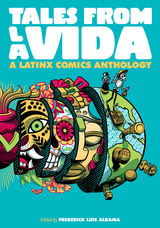
In the Latinx comics community, there is much to celebrate today, with more Latinx comic book artists than ever before. The resplendent visual-verbal storyworlds of these artists reach into and radically transform so many visual and storytelling genres. Tales from la Vida celebrates this space by bringing together more than eighty contributions by extraordinary Latinx creators. Their short visual-verbal narratives spring from autobiographical experience as situated within the language, culture, and history that inform Latinx identity and life. Tales from la Vida showcases the huge variety of styles and worldviews of today’s Latinx comic book and visual creators.
Whether it’s detailing the complexities of growing up—mono- or multilingual, bicultural, straight, queer, or feminist Latinx—or focusing on aspects of pop culture, these graphic vignettes demonstrate the expansive complexity of Latinx identities. Taken individually and together, these creators—including such legendary artists as Jaime and Gilbert Hernandez, Roberta Gregory, and Kat Fajardo, to name a few—and their works show the world that when it comes to Latinx comics, there are no limits to matters of content and form. As we travel from one story to the next and experience the unique ways that each creator chooses to craft his or her story, our hearts and minds wake to the complex ways that Latinxs live within and actively transform the world.
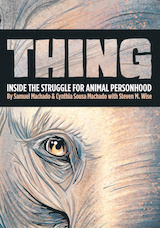
Led by lawyer Steven M. Wise and aided by some of the world’s most respected animal behavior and cognition scientists, the Nonhuman Rights Project has filed cases on behalf of nonhuman animals like Happy since 2013. Through this work, they have forced courts to consider the evidence of their clients’ cognitive abilities and their legal arguments for personhood, opening the door for similar cases worldwide. In Thing, comic artists Sam Machado and Cynthia Sousa Machado bring together Wise’s groundbreaking work and their powerful illustrations in the first graphic nonfiction book about the animal personhood movement. Beginning with Happy’s story and the central ideas behind animal rights, Thing then turns to the scientists that are revolutionizing our understanding of the minds of nonhuman animals such as great apes, elephants, dolphins, and whales. As we learn more about these creatures’ inner lives and autonomy, the need for the greater protections provided by legal rights becomes ever more urgent.
With cases like Happy’s growing in number and spanning from Argentina to India, nations around the world are beginning to recognize the rights of animals. Combining legal and social history, innovative science, and illustrated storytelling, Thing presents a visionary new way of relating to the nonhuman world.
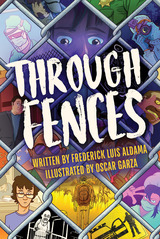
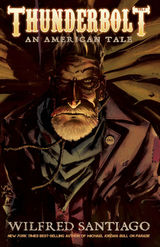
As a young boy in nineteenth-century America, Captain John Brown swore to dedicate his life to the struggle against slavery. Years later, he and his sons have joined the fight in Kansas, the epicenter of the national debate over slavery. As the territory nears statehood, abolitionists and proslavery border ruffians clash in increasingly violent conflict across the territory. But John Brown has more in mind than border skirmishes. He aims to eliminate slavery from US soil once and for all—even if that means raiding a government armory in order to arm a national slave revolt. From the Pottawatomie Massacre to the Battle of Black Jack and the Battle of Osawatomie, this first installment in the story of the legendary John Brown traces the rise of the insurrection in stunning detail.
Gritty, gripping, and masterfully illustrated, Wilfred Santiago’s telling of John Brown’s tale pulls no punches as it unflinchingly recounts the epic struggle across pre–Civil War America. And while John Brown’s methods may be questionable, his story is unforgettable. After all, dying is part of the plan.
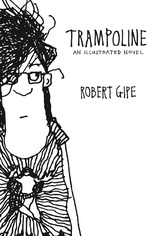
Dawn Jewell is fifteen. She is restless, curious, and wry. She listens to Black Flag, speaks her mind, and joins her grandmother’s fight against mountaintop removal mining almost in spite of herself. “I write by ear,” says Robert Gipe, and Dawn’s voice is the essence of his debut novel, Trampoline. She lives in eastern Kentucky with her addict mother and her Mamaw, whose stance against the coal companies has earned her the community’s ire. Jagged and honest, Trampoline is a powerful portrait of a place struggling with the economic and social forces that threaten and define it. Inspired by oral tradition and punctuated by Gipe’s raw and whimsical drawings, it is above all about its heroine, Dawn, as she decides whether to save a mountain or save herself; be ruled by love or ruled by anger; remain in the land of her birth or run for her life.

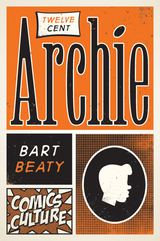
Twelve-Cent Archie is not only the first scholarly study of the Archie comic, it is an innovative creative work in its own right. Inspired by Archie’s own concise storytelling format, renowned comics scholar Bart Beaty divides the book into a hundred short chapters, each devoted to a different aspect of the Archie comics. Fans of the comics will be thrilled to read in-depth examinations of their favorite characters and motifs, including individual chapters devoted to Jughead’s hat and Archie’s sweater-vest. But the book also has plenty to interest newcomers to Riverdale, as it recounts the behind-the-scenes history of the comics and analyzes how Archie helped shape our images of the American teenager.
As he employs a wide range of theoretical and methodological approaches, Beaty reveals that the Archie comics themselves were far more eclectic, creative, and self-aware than most critics recognize. Equally comfortable considering everything from the representation of racial diversity to the semiotics of Veronica’s haircut, Twelve-Cent Archie gives a fresh appreciation for America’s most endearing group of teenagers.
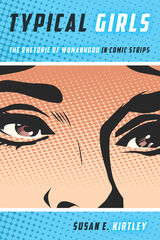
In the years following 1975, a group of female-created comic strips came to national attention in a traditionally male-dominated medium. Typical Girls: The Rhetoric of Womanhood in Comic Strips uncovers the understudied and developing history of these strips, defining and exploring the ramifications of this expression of women’s roles at a time of great change in history and in comic art. This impressive, engaging, and timely study illustrates how these comics express the complexities of women’s experiences, especially as such experiences were shaped by shifting and often competing notions of womanhood and feminism. Including the comics of Lynn Johnston (For Better or For Worse), Cathy Guisewite (Cathy), Nicole Hollander (Sylvia), Lynda Barry (Ernie Pook’s Comeek), Barbara Brandon-Croft (Where I’m Coming From), Alison Bechdel (Dykes to Watch Out For), and Jan Eliot (Stone Soup), Typical Girls is an important history of the representation of womanhood and women’s rights in popular comic strips.
READERS
Browse our collection.
PUBLISHERS
See BiblioVault's publisher services.
STUDENT SERVICES
Files for college accessibility offices.
RECENTLY PUBLISHED





UChicago Accessibility Resources
home | accessibility | search | about | contact us
BiblioVault ® 2001 - 2024
The University of Chicago Press