
 A SCHOLARLY BOOK REPOSITORY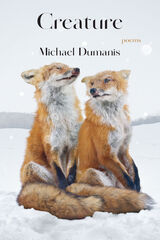

It is rare to find a collection so grounded in the manifold meanings of motherhood—in all its anxiety, ambivalence, and joy. From the aches and fears of pregnancy, through the pain and relief of childbirth, to the perplexing questions and worries of parenting, Rebekah Denison Hewitt grapples with what it is to make a human (and to sometimes lose one), “the baby a creature / in bloom / the mother / a lotus eater.”
Closing with the counsel “Do not be afraid. / Rinse your heart out. Proceed,” these poems give readers many reasons to fear—health issues, genetic deformities, postpartum depression, gun violence, and car accidents. Yet always lurking underneath are light, optimism, and a stubborn willingness to soldier on. Exploring the stories, myths, and personal histories that shape the experience of modern motherhood, Creature in Bloom expands the conversation around what it means to be a mother.
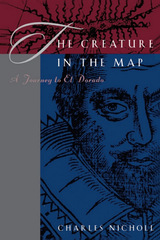
"Walter Raleigh . . . was one of those Elizabethan all-rounders who still seem staggeringly larger than life. . . . Mr. Nicholl's cogent reconstruction of the journey uses Raleigh's own account, 'The Discoverie of Guiana'—part truth, part advertising, part rhapsody—and much well-found ancillary material."—Anthony Bailey, New York Times
"Like The Reckoning, his brilliant account of the murder of Christopher Marlowe, Nicholl's new book might be called an exercise in historical conjuring. The Creature in the Map is an effort not only to analyse but also to call into presence the lived experience of the voyage Raleigh undertook in 1595 to the Orinoco Delta in what is now Venezuela."—Stephen Greenblatt, Times Literary Supplement
"Charles Nicholl belongs to an elite company, that of historians who know how to make research into arcane matters and distant times as engrossing as In Cold Blood or All the President's Men."—Michael Dirda, Washington Post
READERS
Browse our collection.
PUBLISHERS
See BiblioVault's publisher services.
STUDENT SERVICES
Files for college accessibility offices.
RECENTLY PUBLISHED




UChicago Accessibility Resources
home | accessibility | search | about | contact us
BiblioVault ® 2001 - 2026
The University of Chicago Press