
 A SCHOLARLY BOOK REPOSITORY
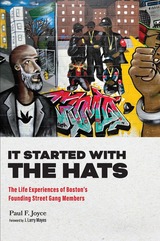
In the late 1980s, the introduction of crack cocaine and easy access to guns led to the emergence of the street gang culture and an explosion of gun violence in Boston. Black and Latino youth were both perpetrators and victims of firearm violence as the city grappled with a staggering number of shootings and homicides. Officers within the Boston Police Department struggled to find new and creative ways to combat the growing violence and neutralize gang influence. Paul Joyce was one of those officers.
Throughout his extensive career with the Boston Police, Joyce was at the forefront of the Department’s anti-gang and youth violence initiatives, including during the height of gang and gun violence in the late 1980s through early 1990s. Later in his career, after thirty-one years in policing, Joyce transitioned to academia as a criminologist, seeking to better understand the lives of the gang members he had encountered during his time as an officer. He interviewed thirty Black and Latino men who witnessed and led the emergence of the street gang phenomenon in Boston. Joyce’s strong relationship with community leaders led to the recruitment of the men, who ultimately entrusted him with their life stories and their inner worlds. Using the men’s own words to describe the tragedies they endured, the crimes they committed, and the penalties they paid, Joyce now shares their stories of life before, during, and after gang membership.
Joyce examines the influences that motivated the men toward joining gangs, their gang experiences, and the turning points that shaped their paths later in life, whether leading to desistance from or continued persistence in criminal behavior. Joyce explores their lives from childhood into adulthood, providing a deep analysis of the factors that influenced the entire trajectory of gang members’ lives. By utilizing this life-course approach, Joyce adds to the discourse regarding what influences a gang member’s ability or inability to transition out of criminality and the gang life.
This uniquely candid look at gang membership, humanized by the perspectives of the men who experienced it, provides invaluable insight into the complex interplay of the social, cultural, and personal factors that shape individuals’ life courses. This, in turn, has important implications regarding the types of outside interventions that would be the most effective in making a positive difference in the lives of current and former gang members.

To celebrate the acquisition of the archive of distinguished artist Tom Phillips, the Bodleian Library asked the artist to assemble and design a series of books drawing on his themed collection of over 50,000 photographic postcards. These encompass the first half of the twentieth century, a period in which, thanks to the ever cheaper medium of photography, ordinary people could afford to own portraits of themselves. Each of the books in the series contains two hundred images chosen from a visually rich vein of social history. Their covers also feature thematically linked paintings, specially created for each title, from Phillips’s signature work, A Humument.
Women & Hats explores the remarkable range found in the world of millinery, from outrageous Edwardian creations to the inventive austerities of World War II. Each of these unique and visually stunning books give a rich glimpse of forgotten times and will be greatly valued by art and history lovers alike.
READERS
Browse our collection.
PUBLISHERS
See BiblioVault's publisher services.
STUDENT SERVICES
Files for college accessibility offices.
RECENTLY PUBLISHED



UChicago Accessibility Resources
home | accessibility | search | about | contact us
BiblioVault ® 2001 - 2026
The University of Chicago Press